
Is Your Dementia Care Training Engaging Enough to Actually Be Memorable?
Think about the last training experience that stayed with you.
Posts about:
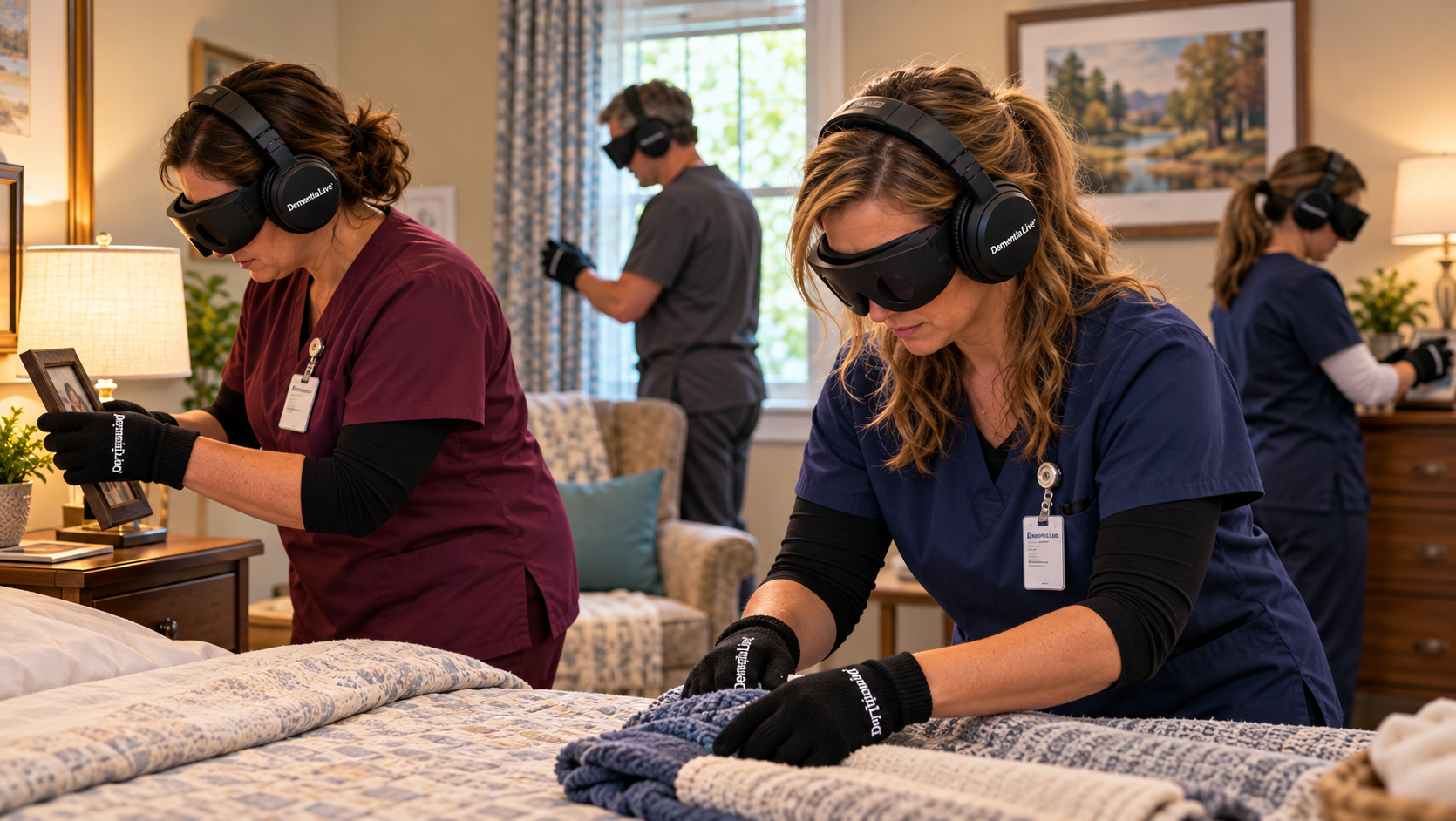
Think about the last training experience that stayed with you.
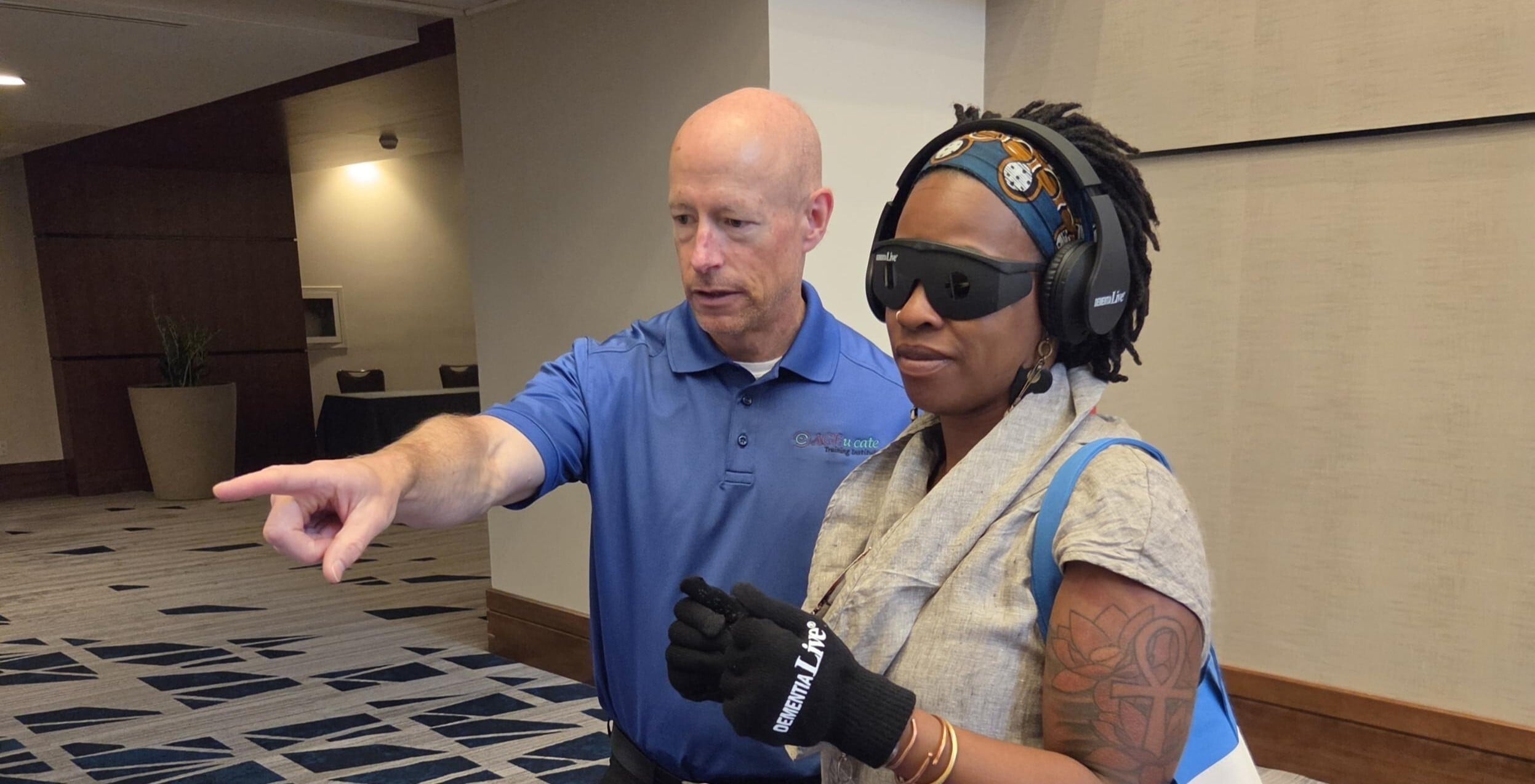
We were honored to participate in the 2026 Florida Council on Aging Conference this week, joining hundreds of leaders who are working every day to improve the lives of older adults, strengthen communities, and support family caregivers. Throughout the conference, one message rose above every conversation: no single organization can meet the growing needs of our aging population alone. Health plans, aging service providers, public health agencies, community-based organizations, and local leaders all have an important role to play. The future of healthy aging depends on how well we work together.

When it comes to senior living and dementia care, the difference between management and meaningful support often lies in a single, fundamental human element: empathy.
For years, clinical training focused almost exclusively on the mechanics of care—medication administration, hygiene protocols, and safety compliance. However, as the industry shifts toward person-centered models, we are discovering that empathy is not just a soft skill; it is a clinical powerhouse.

In dementia care, love is not a sentiment. It’s not a holiday, a greeting card, or a poetic idea. Love is a verb—expressed through patience, presence, and the everyday choices caregivers make to honor the humanity of someone living with cognitive change.

In the U.S., the burden of unpaid caregiving for people living with dementia continues to escalate at a staggering rate. Unpaid caregivers, usually family members, shoulder the immense responsibilities of physical care, emotional support, and often financial contributions. The impacts on these individuals’ lives are deep, affecting their health, employment, and financial stability. As we look ahead, it is imperative that we, as leaders in aging services, recognize this crisis and engage in developing supportive, sustainable solutions. Here, I want to share some staggering statistics on the current state of dementia caregiving in the U.S., explore the toll it takes on families, and discuss the work AGE-u-cate® Training Institute is doing to address these challenges.
Dementia caregiving in the U.S. impacts more than just the individual diagnosed; it affects entire families and communities. According to the Alzheimer’s Association, nearly 12 million people are expected to be diagnosed with dementia by 2050, leading to a commensurate rise in caregivers. These unpaid caregivers, who are mostly family members, contributed over 18.5 billion hours of care in 2023. At an estimated average wage equivalent of $16.59 per hour, this unpaid labor adds up to $339.5 billion annually. This figure is daunting, but even it doesn’t fully encompass the true costs.
Beyond the financial implications, caregiving is emotionally and physically taxing. Studies show that over 40% of caregivers for individuals with dementia report high levels of emotional stress. Caregivers often face challenges managing behavioral symptoms, ensuring safety, and making daily care decisions, all of which can be exhausting. Due to this overwhelming strain, dementia caregivers are at greater risk for physical health issues and higher levels of depression, with many reporting feeling isolated or unsupported.
For those who take on the role of unpaid caregiving, the commitment frequently comes at a high personal cost. Many caregivers reduce their work hours or leave their jobs entirely to accommodate the demands of caregiving, which directly impacts their long-term financial security. For example, one in five caregivers reported reducing work hours or quitting work, often sacrificing income and retirement savings to care for their loved one.
The costs extend to workplace productivity as well, with businesses bearing the weight of lost productivity, absenteeism, and turnover resulting from employees balancing work with unpaid caregiving responsibilities. This economic drain underscores the urgent need for businesses to support employees who are caregivers, with policies that allow flexibility and resources that make balancing responsibilities feasible.
At AGE-u-cate Training Institute, we are committed to addressing the complexities of dementia caregiving through innovative, research-based programs that prioritize early intervention, awareness, and caregiver support. Our Dementia Live® sensitivity awareness training is one powerful tool we use to foster empathy, build trust, and deepen understanding of dementia. This program immerses caregivers in a simulated experience of what it feels like to live with dementia, cultivating greater sensitivity and improving their ability to connect meaningfully with those they care for.
Understanding that caregivers need education to perform their role well, we’ve developed comprehensive training designed to equip caregivers with knowledge and practical skills. This empowers caregivers to feel more confident and reduces the strain of feeling “in the dark” when facing dementia-related challenges. We are furthering our public and private partnerships to build broader access to vital caregiving resources and serving as a key solution to early caregiver intervention. With a reach of over 2.5 million professionals, families and community members who have taken our training to date, we focus on program partner support and sustainability, a key factor in driving successful outcomes and positive change in population health, and cost savings.
The cost of unpaid dementia caregiving in the U.S. is a significant burden that continues to grow. As we develop solutions, it’s crucial for industry leaders, employers, policymakers, and community organizations to address the issues caregivers face, offering them not just recognition but real support. We’re supportive of increased funding for dementia research, expanded respite services, and policies that protect caregivers’ jobs and finances.
AGE-u-cate’s work is just a piece of the solution. By continuing to innovate and provide robust training, education, and support for caregivers, we aim to ease the burden of caregiving for millions and help bring about a future where no caregiver has to walk this journey alone. Now is the time for us all to come together, to lead, and to make lasting change that values and supports the tireless dedication of caregivers.
For more information on AGE-u-cate's implementation initiatives, please contact us.

Certified Nursing Assistants (CNAs) are on the front lines of caregiving, especially in dementia care. Yet, traditional training methods often fail to fully prepare them for the complexities they face. As dementia progresses, verbal communication becomes limited, stress reactions can become challenging, and emotional needs become more profound. This is where experiential education, particularly Kolb’s Experiential Learning Cycle, combined with innovative programs like Dementia Live®, can revolutionize how we train CNAs, equipping them with not just knowledge but empathy, understanding, and practical skills.
David Kolb’s Experiential Learning Cycle is a powerful model for adult learning, emphasizing a hands-on approach that is ideal for caregiving training. The cycle consists of four stages:
For CNAs, this cycle allows them to transform practical experiences into learning opportunities. When they are directly engaged in situations that mirror real-life dementia caregiving, their learning is deeper and more meaningful than merely absorbing information in a classroom.
Dementia Live® is an immersive training experience designed to simulate what it’s like to live with dementia. Participants wear specialized gear that impairs their senses—blurring their vision, distorting sound, and limiting dexterity. This simulation allows CNAs to step into the shoes of those they care for, creating a “Concrete Experience,” the first stage of Kolb’s cycle.
By experiencing firsthand the frustration, confusion, and disorientation dementia patients face, CNAs develop empathy that can’t be taught through lectures alone. This profound emotional connection is a crucial step in helping caregivers improve their approach to dementia care, particularly in high-stress moments when patience and understanding are key.
Once the Dementia Live® simulation concludes, CNAs have the opportunity to engage in “Reflective Observation,” the second stage in Kolb’s cycle. They discuss their experiences, share how they felt during the simulation, and reflect on how it relates to the daily struggles of those with dementia.
Through this reflection, they begin to “Abstract Conceptualization,” the third phase, where they develop new ideas and strategies for caregiving. For instance, understanding why a patient may react negatively to certain stimuli, or why it’s important to speak slowly and maintain a calm tone. These insights enable CNAs to provide more compassionate, patient-centered care.
The final stage of Kolb’s cycle, “Active Experimentation,” allows CNAs to apply what they’ve learned in real-world scenarios. After completing the Dementia Live® experience, CNAs return to their work equipped with new tools and insights. They can now experiment with new communication techniques, approach behavioral challenges with empathy, and better understand the non-verbal cues that are so important in dementia care.
The integration of Kolb’s Experiential Learning Cycle with innovative programs like Dementia Live® creates a rich, immersive learning environment that enhances CNA training. By not just telling caregivers what dementia is like but allowing them to feel it themselves, these programs build deeper empathy and improve problem-solving abilities. In turn, this leads to more effective care, reduced burnout, and a higher quality of life for both CNAs and those living with dementia.
As the aging population continues to grow and the demand for dementia care increases, investing in experiential education is critical. Through immersive experiences and reflective learning, we can better prepare CNAs to meet the challenges of dementia care head-on, with compassion and competence.


Recognizing these signs early can lead to better care and support.
When we think of dementia, most people immediately associate it with memory loss. However, dementia symptoms often manifest in other surprising ways long before forgetfulness sets in. Recognizing these early signs is crucial, as early intervention can significantly improve quality of life for both individuals and their caregivers. At AGE-u-cate Training Institute, we provide caregivers and healthcare professionals with essential tools to detect and manage the early stages of dementia. Here are five early signs to watch for:
Financial mismanagement is often one of the first cognitive areas affected by dementia. Individuals may forget to pay bills, lose track of spending, or make impulsive purchases that are out of character. Unfortunately, this can also make them more vulnerable to scams or fraud.
Key Insight:
In cases of frontotemporal dementia, impaired judgment is an early symptom, often leading to poor financial decisions. The complex nature of managing money—balancing expenses, savings, and budgeting—requires the coordination of several brain regions. As cognitive decline sets in, this task can become overwhelming.
Related Research:
A 2020 study published in JAMA Internal Medicine revealed that financial difficulties may begin up to six years before a formal dementia diagnosis. By recognizing these issues early, caregivers and family members can step in to provide support.
At AGE-u-cate, our Dementia Live® training helps caregivers become more attuned to early behavioral changes, including financial issues, to provide better care.
While aging naturally affects sleep patterns, drastic changes may signal early dementia. For example, some individuals with dementia may begin waking up unusually early or have trouble staying awake during the day. Others may act out their dreams—sometimes violently—a condition linked to REM sleep behavior disorder, which is common in dementia with Lewy bodies and Parkinson’s disease.
Key Insight:
REM sleep behavior disorder occurs when muscles fail to remain paralyzed during sleep, leading to vivid and sometimes harmful actions. Changes in sleep patterns are not only distressing for the individual but also impact the caregiver’s ability to maintain a normal routine.
Related Research:
A 2021 study in Nature Communications found that individuals who slept fewer than six hours per night in their 50s and 60s were more likely to develop dementia. These findings suggest that sleep disturbances can be an early warning sign long before cognitive symptoms emerge.
Through our Compassionate Touch® program, AGE-u-cate equips caregivers with techniques to help manage sleep disturbances and calm individuals experiencing anxiety or restlessness.
Personality changes can be one of the earliest signs of cognitive decline, and these shifts often go unnoticed because they may be subtle at first. Someone who was once outgoing may become withdrawn, or a normally easygoing person might exhibit irritability or distrust. These shifts are often more visible in everyday interactions than memory loss and may be tied to specific types of dementia, such as frontotemporal dementia.
Key Insight:
Personality shifts can stem from structural changes in the brain’s frontal lobe, affecting behavior, decision-making, and social interactions. Individuals may become less empathetic or even lose interest in activities they once enjoyed.
Related Research:
A 2019 study published in Psychological Science highlighted that personality changes, such as increased introversion or irritability, could appear years before a dementia diagnosis. Recognizing these behavioral shifts early can alert caregivers to seek medical advice.
AGE-u-cate’s programs, including Dementia Live®, help caregivers understand and empathize with the behavioral changes that occur in dementia, allowing them to provide more compassionate care.
Driving is one of the most cognitively demanding tasks that people perform daily, requiring quick thinking, decision-making, and motor coordination. Dementia can affect driving ability early on, leading to increased accidents, running red lights, or other driving errors. If an individual starts avoiding driving at night or in challenging conditions, this might be a sign that cognitive issues are emerging.
Key Insight:
Driving requires coordination between multiple cognitive functions, including visual-spatial processing, attention, and motor skills. Dementia can impair one or more of these areas, increasing the risk of accidents.
Related Research:
A 2021 study in Neurology found that changes in driving behavior, such as reduced driving frequency or increased accidents, could be an early indicator of cognitive decline.
AGE-u-cate’s caregiver training emphasizes the importance of recognizing these signs and initiating conversations about driving safety with compassion.
Loss of smell, while often overlooked, can be one of the earliest indicators of Alzheimer’s disease and other forms of dementia, such as dementia with Lewy bodies. The areas of the brain responsible for processing smells are some of the first to be affected by neurodegeneration, often years before other symptoms appear.
Key Insight:
Unlike hearing or vision loss, which may occur with age, loss of smell is often directly linked to the early stages of neurodegeneration in the brain. Many individuals with dementia struggle to identify or detect smells long before cognitive decline is obvious.
Related Research:
A 2017 study published in The Lancet Neurology found that a diminished sense of smell is one of the earliest manifestations of cognitive impairment. This research highlights how smell tests could potentially be used as a screening tool for early dementia diagnosis.
AGE-u-cate’s Dementia Live® program incorporates sensory loss simulations, helping caregivers experience firsthand the challenges their loved ones face.
Early Detection Matters: Get Trained by AGE-u-cate®
Recognizing the early signs of dementia is critical for getting the right care at the right time. From financial problems to sleep disturbances, personality changes, driving difficulties, and loss of smell, these early indicators offer important clues. At AGE-u-cate Training Institute, our programs like Dementia Live® and Compassionate Touch® equip caregivers with the knowledge and tools to detect and manage dementia’s early stages. By focusing on early intervention, caregivers can improve the quality of life for those living with dementia and their families.
Visit AGE-u-cate.com to learn more about our dementia awareness and training programs.