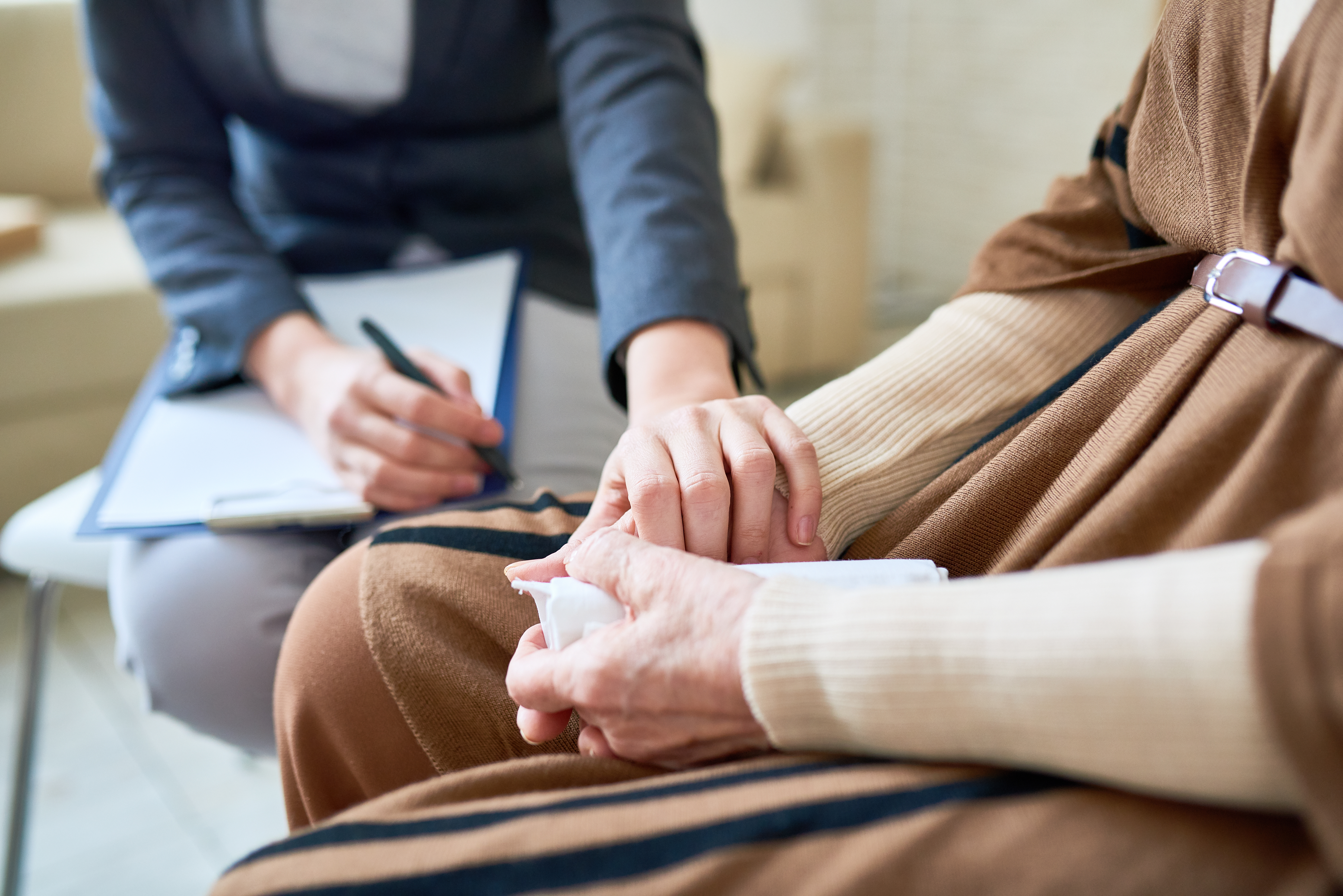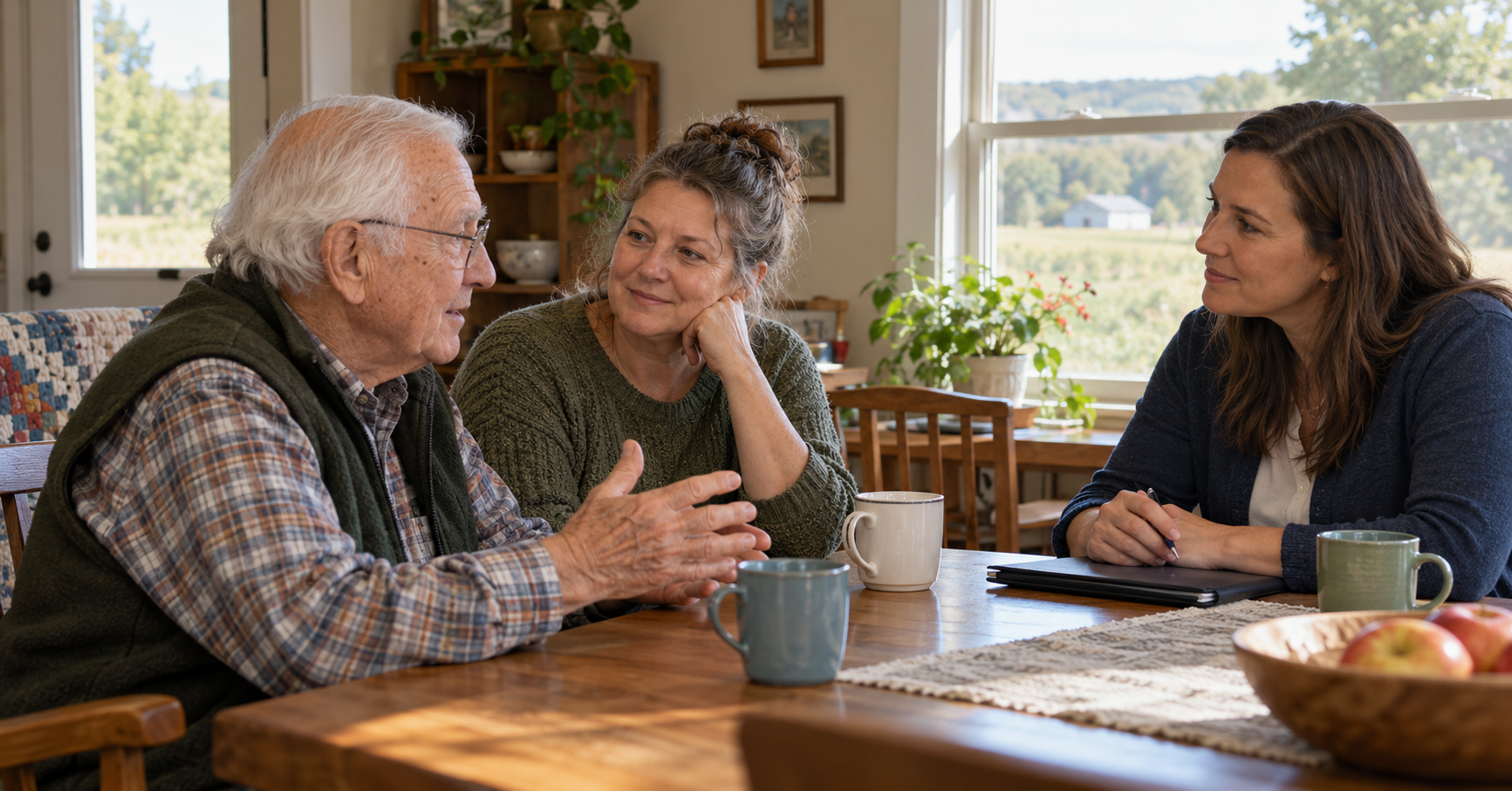
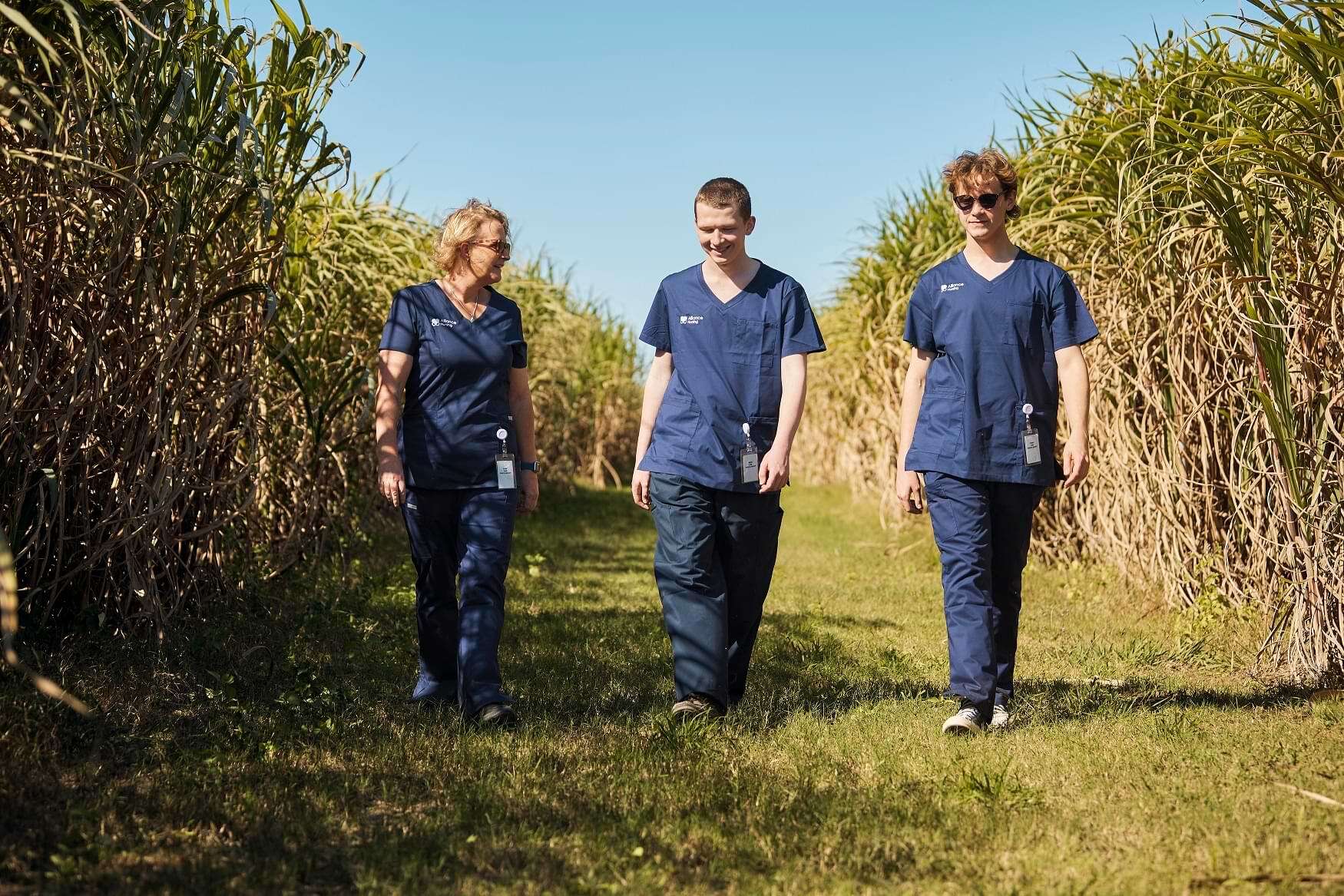
In a rural community, a person experiencing cognitive change may interact with a clinic, a hospital, a first responder, a community health worker, and a family caregiver. Each encounter is an opportunity to offer clear communication and helpful support. The challenge is preparing people across those settings with skills they can use consistently.
Rural health workforce training can help organizations build that shared foundation. It can also connect dementia education to broader goals: supporting caregivers, strengthening local partnerships, and making community services easier to navigate.
Why dementia education belongs in rural health planning
Rural health initiatives often focus on access to care, workforce capacity, and community partnerships. The Health Resources and Services Administration (HRSA) describes strengthening health networks and health care delivery as part of its rural health work. Meanwhile, the Centers for Disease Control and Prevention (CDC) encourages public health organizations to work across sectors to improve cognitive health and support caregivers.
These priorities meet in everyday interactions. A staff member may need to recognize a concern, communicate calmly with a person experiencing cognitive change, include a caregiver appropriately, or help a family find a local resource. Training gives teams a common language and practical approaches for those moments.
Where training can make a difference
Hospitals and clinics. Patient-facing staff, care coordinators, and community health workers can benefit from education that addresses communication, family engagement, and transitions between care settings.
Caregiver support. Local partners can learn to identify and engage family caregivers earlier, listen to their needs, and connect them with available services. The CDC offers resources that public health teams can use when planning dementia caregiving support.
Community-based care. Aging services, libraries, first responders, faith communities, and employers may all encounter people living with dementia and their families. Shared education can help these partners respond with greater understanding and coordinate with local health organizations.
Regional initiatives. A consistent training component can support a network that spans multiple facilities or counties. Online learning and train-the-trainer approaches may help organizations reach teams spread across a large service area.
A practical way to start
A rural health organization does not need every partner to perform the same role. It does need to decide what each group should be able to do.
Start by mapping the people and organizations that regularly interact with older adults and caregivers. Then identify a few specific skills: recognizing possible cognitive change, communicating in a person-centered way, supporting caregivers, and referring families to local services. Choose training formats that fit each audience and establish a way to check whether participants can apply what they learned.
AGE-u-cate’s rural health industry brief identifies several programs that may fit this approach. Dementia Live® uses experiential learning to build empathy and communication skills. Compassionate Touch® focuses on comfort, connection, and person-centered support. REVEAL Aging Courses provide online education on aging and cognitive change, while the Facilitator Dementia Education Series equips local educators and partners to deliver training.
What an early result can tell you
In a North Central Texas initiative described in AGE-u-cate’s brief, training reached 135 rural service staff and volunteers. Among 93 evaluated participants, reported confidence interacting with people experiencing cognitive change increased 30.7%, and awareness of community resources increased 51.8%. These are results from the evaluated participants in that initiative; they should not be treated as a forecast for every rural program.
The useful lesson is to measure outcomes that matter locally. Alongside attendance, a team might assess confidence, knowledge of referral options, caregiver engagement, or how well partner organizations coordinate after training.
Bring dementia education into your rural health plan
Building a stronger rural health workforce starts with practical skills that staff and community partners can use every day.
Download AGE-u-cate’s Rural Health Industry Brief to explore training opportunities for hospitals, clinics, caregivers, and local networks. The brief includes program options and results from a North Central Texas initiative.

Program descriptions and North Central Texas results are drawn from AGE-u-cate’s “How AGE-u-cate Programs Support Rural Health Initiatives” industry brief. Funding eligibility and allowable uses depend on the applicable program requirements.
Source links
HRSA rural health programs: https://www.hrsa.gov/rural-health
CDC Healthy Brain Initiative Road Map: https://www.cdc.gov/aging-programs/php/nhbi/roadmap.html
CDC caregiving resources: https://www.cdc.gov/caregiving/resources/index.html