
Posts about:

#DementiaLive (2)

World Alzheimer’s Day: Raising Dementia Awareness and Breaking Down Stigma One Community at a Time

Every year on September 21st, World Alzheimer’s Day shines a spotlight on a critical global issue: dementia awareness. Organized by Alzheimer’s Disease International (ADI), this day is part of World Alzheimer’s Month, a 30-day campaign dedicated to raising awareness, challenging stigma, and advocating for change. Despite the growing prevalence of dementia—an estimated 55 million people worldwide live with the condition—misconceptions and stigma continue to impede progress in diagnosis, care, and support. This World Alzheimer’s Month, it’s time to tackle these challenges head-on and foster a more informed, compassionate, and proactive approach to dementia.

The Urgent Need for Awareness

Dementia is one of the most pressing health issues of our time, yet public understanding of the condition remains alarmingly low. According to ADI, almost 80% of the general public express concern about developing dementia, but 1 in 4 people mistakenly believe that nothing can be done to prevent it. This misconception is particularly troubling, given that research suggests up to 40% of dementia cases could be delayed or even prevented through modifiable risk factors such as maintaining a healthy lifestyle, managing cardiovascular health, and staying socially and mentally active.

Even more concerning is the fact that 2 in 3 people still think that dementia is a natural part of aging. This widespread belief not only downplays the seriousness of the condition but also contributes to a culture of silence and shame. Shockingly, 35% of caregivers worldwide admit to hiding a family member’s diagnosis, often due to fear of stigma. This secrecy can lead to social isolation and prevent those affected from seeking the support and care they desperately need.

Breaking the Silence on Dementia

One of the key messages of World Alzheimer’s Month is the need to break the silence surrounding dementia. Stigma and discrimination are significant barriers to diagnosis and care, with 46% of people living with dementia and their caregivers citing fear of diagnosis and stigma as major obstacles. This fear can delay diagnosis, which in turn delays access to crucial treatment, care, and support services.

An accurate and timely diagnosis of dementia can make a world of difference. It not only helps individuals and their families plan for the future but also opens the door to interventions that can improve quality of life and enable those living with dementia to remain independent for as long as possible. However, low levels of awareness, both among the public and healthcare practitioners, continue to hinder early diagnosis. In 2019, two-thirds of healthcare practitioners still viewed dementia as a normal part of aging, further perpetuating the cycle of misinformation and missed opportunities for early intervention.

The Role of Dementia Live® in Raising Awareness

As the creator of Dementia Live® and a passionate advocate for dementia-friendly initiatives, I have witnessed firsthand the transformative power of education in breaking down barriers and building empathy. Dementia Live® is an immersive training experience designed to simulate the sensory and cognitive impairments associated with dementia. By giving participants a glimpse into the world of those living with dementia, this program fosters a deeper understanding and empathy, which is crucial for building trust, enhancing caregiver support, and promoting dementia-friendly communities.

Dementia Live® is an essential tool in the fight against dementia stigma. It empowers caregivers, healthcare providers, and community members with the knowledge, skills, and empathy needed to support individuals with dementia and their families. Early intervention for caregivers is particularly important, as it not only improves health outcomes but also reduces healthcare costs in the long run. By equipping caregivers with the right tools and resources from the outset, we can help them navigate the challenges of dementia with confidence and compassion.

Call to Action

This World Alzheimer’s Month, let’s join forces to raise dementia awareness, challenge misconceptions, and break down the stigma that surrounds this condition. Governments, healthcare providers, and communities all have a role to play in increasing awareness, improving diagnosis rates, and ensuring that those living with dementia receive the care and support they need. By normalizing conversations about dementia and promoting initiatives like Dementia Live®, we can create a more inclusive, supportive, and understanding world for everyone affected by this condition.

It’s time to turn awareness into action. Let’s work together to make dementia a priority and ensure that no one faces this journey alone.

Read More
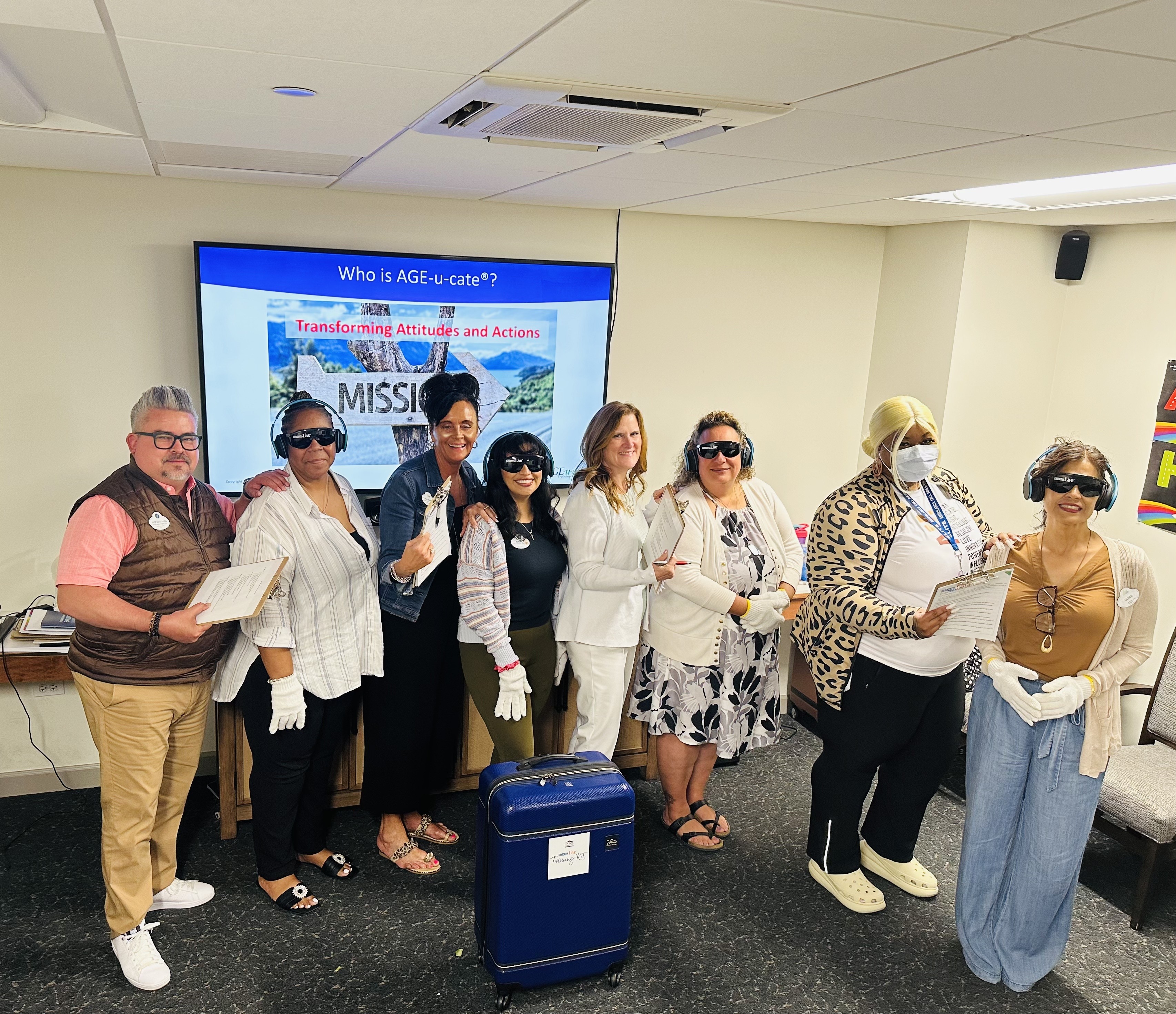
Regional in-person Dementia Live coach training at the Arbor Company

Advancing Dementia Education: AGE-u-cate & The Arbor Company's Initiatives

In a concerted effort to advance approaches for dementia care, AGE-u-cate™ Training Institute and The Arbor Company are introducing significant refresh initiatives. AGE-u-cate has updated its Dementia Live® white paper to incorporate the latest research and best practices, providing a comprehensive resource for caregivers and healthcare professionals. Simultaneously, The Arbor Company is enhancing Dementia Live within their senior living community landscape by hosting in-person coach training sessions through regional events, ensuring that program coaches are equipped with cutting-edge techniques and insights to foster deeper understanding and empathy for those living with dementia.

Read More
AGE-u-cate bridges stakeholder relationships to improve dementia care

Key Strategies to Enhance Support for Family Caregivers of Those Living with Dementia

Family caregivers of individuals with dementia face unique challenges, often experiencing higher levels of stress compared to caregivers of those with other chronic conditions. According to the Alzheimer’s Association, more than 11 million Americans provide unpaid care for people with Alzheimer’s or other dementias, collectively contributing over 15 billion hours of care annually.

Read More
Dementia Crisis is a Call for Action

Global to Local:  Dementia Action Plans Urgently Needed

A Staggering Rise in Dementia Cases

The World Health Organization (WHO) estimates that 55 million people currently live with dementia worldwide, a figure expected to soar to 78 million by 2030 and 139 million by 2050. This dramatic increase highlights an urgent global health challenge that demands immediate and sustained action.

The Silent Epidemic of Undiagnosed Dementia

Compounding this crisis is the alarming number of undiagnosed cases. Research indicates that in high-income countries, only 20-50% of dementia cases are recognized and documented in primary care. The situation is even more dire in low and middle-income countries. For instance, a study in India suggests that 90% of dementia cases go undiagnosed. Extrapolating these findings globally, it’s estimated that three-quarters of individuals with dementia lack a formal diagnosis, thereby missing out on essential treatment, care, and support .

Dementia in Our Communities

People living with dementia are part of our everyday lives. They are our neighbors, friends, family members, and community members we interact with in places like grocery stores, banks, and community centers and faith communities. While many benefit from strong support systems, advanced technology, home care, adult day centers and senior living, millions are left isolated and struggling in unsafe conditions with minimal support.

Disparities in Access to Care

The disparity in access to healthcare and support services is glaring. In the United States, zip codes can determine the quality of care and support available to those with dementia. In developing countries, the number of dementia cases is increasing at a much faster rate due to health disparities, escalating the crisis daily.

Urgent Need for Community Preparedness

There is an urgent need for every community, from towns to entire countries, to enhance dementia awareness and caregiver education rapidly. Without such efforts, we risk exacerbating the challenges faced by people living with dementia and their families, leading to unsustainable costs and increased mortality.

The WHO's Global Action Plan

The WHO's Global action plan on the public health response to dementia 2017-2025 aims to improve the lives of those with dementia and their carers, while reducing dementia's impact on communities and countries. The plan outlines key areas for action:

  • Increasing Awareness and Prioritization: Promoting dementia awareness at all societal levels.
  • Reducing Dementia Risk: Implementing strategies to minimize risk factors.
  • Diagnosis, Treatment, and Care: Ensuring timely diagnosis and adequate care.
  • Support for Carers: Providing necessary support for caregivers.
  • Strengthening Information Systems: Enhancing data collection and analysis for better policy-making.
  • Research and Innovation: Fostering advancements in understanding and treating dementia.

Moving from Framework to Action

While frameworks at various levels are being developed, more needs to be done at a faster pace. Effective models provide a roadmap, but it is stakeholders who turn these plans into reality. At AGE-u-cate Training Institute, we are dedicated to fostering collaborations and partnerships to drive this essential work forward.

Call to Action

If you are part of a community-based organization, government entity, health plan, aging service provider, university, college, or training organization, we invite you to join us in addressing this significant public health crisis. Together, we can enhance dementia awareness, improve caregiver education, and ensure that communities worldwide are better prepared to support those living with dementia.

As our work expands globally, we welcome conversations and brainstorming that will lead to meaningful work.  Please contact us today to see how we can make a difference!

Contact Us


By understanding and addressing the growing dementia crisis, we can create a world where individuals with dementia live with dignity, support, and meaning. The time to act is now.


References:

  1. Alzheimer's Disease International. Dementia Statistics. Retrieved from https://www.alzint.org/about/dementia-facts-figures/dementia-statistics/
Read More