
How Sagora Senior Living Uses Dementia Live to Build Empathy and Improve Memory Care
What changes when a caregiver moves beyond learning about dementia and begins to understand what living with cognitive change might feel like?
Posts about:
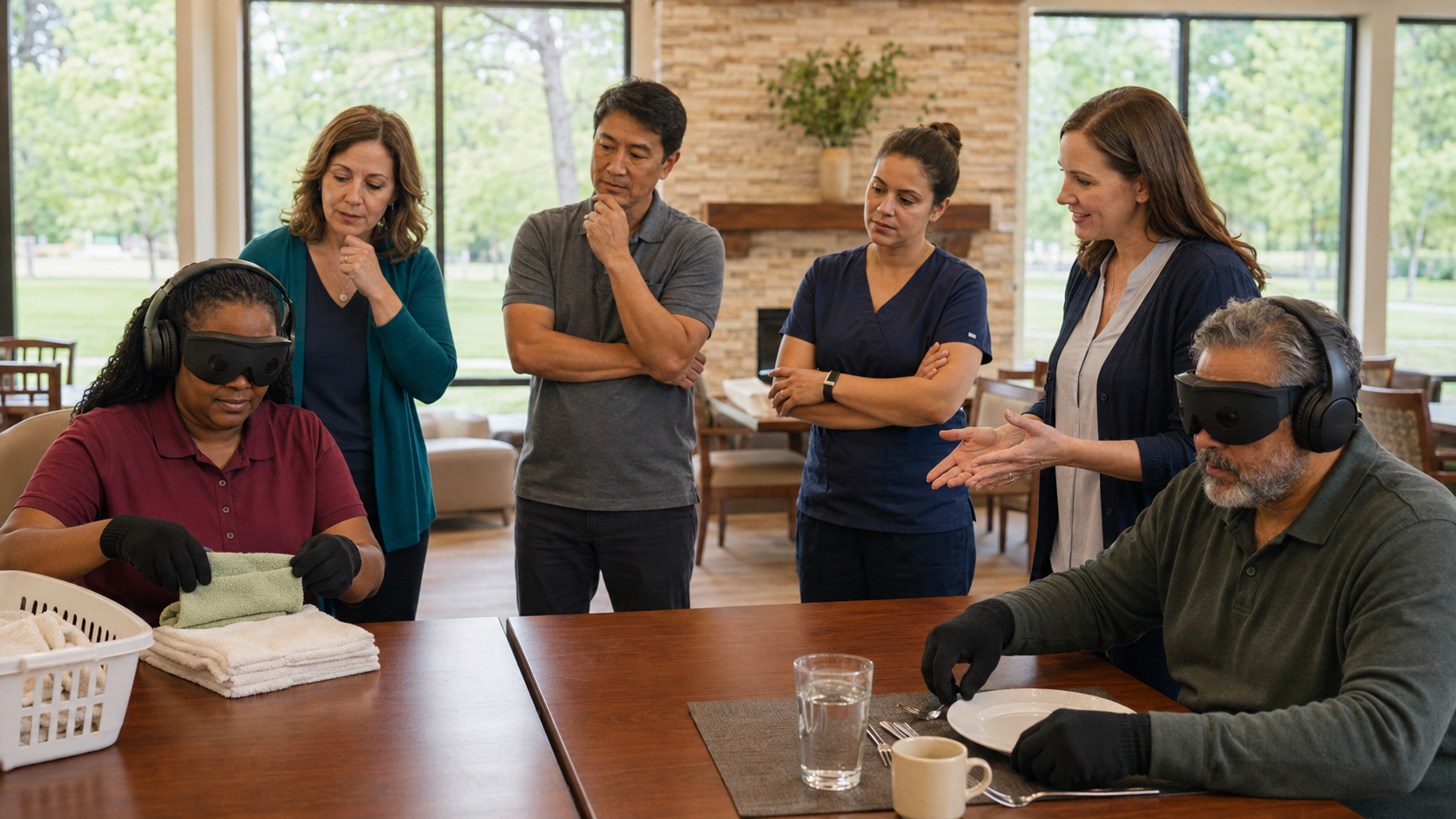
What changes when a caregiver moves beyond learning about dementia and begins to understand what living with cognitive change might feel like?

The newly released Caregiving in the U.S. 2025 report from AARP and the National Alliance for Caregiving paints a clear and sobering picture: 63 million Americans—nearly 1 in 4 adults—are now providing care to someone with a serious health condition or disability. This represents a 45% increase since 2015 and reflects a caregiving landscape that is larger, more diverse, and more complex than at any time in our nation’s history.
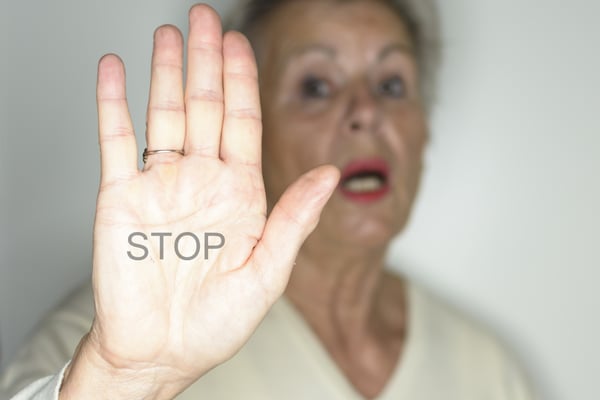
This article aims to delve into the importance of adopting strategies for preventing elder abuse.
Throughout my 32-year tenure in leadership roles within nursing homes, I consistently encountered frustration due to the scarcity of resources, both in terms of time and finances, as well as the absence of thoroughly researched and effective strategies for proactively preventing elder abuse. Despite implementing standard measures such as employee background checks, mandatory annual in-service training, and policy review during new hire orientations, I often sensed a lingering feeling that there was more we could do. Looking back, I now recognize that we also fell short in adequately educating family members on abuse prevention. However, one aspect where we excelled was in promptly reporting allegations, which appeared to hold utmost importance from a regulatory standpoint, regrettably so.
Whether a professional working with elders living in the community or congregate care, does your agency do enough? Can you identify and describe the organizational strategy to prevent abuse?

Given today's staffing shortages and high turnover, let's set achievable goals for dementia training. After all, at the end of the day, don't we all want to be able to say, "the training works simply!". Of course, we do. If training works, that means it aligns with business goals and achieves positive outcomes.
"The goal of any training should be to empower caregivers, give them the tools to work with, and be flexible enough with the material to honor the uniqueness and diversity of each individual you work with." – Dr. Rose Joudi, Aging & Ethnic Diversity Consultant.
What does training mean?
Training is the action of teaching a person a particular skill or type of behavior.
In aging services, this means showing caregivers how to identify different scenarios and conditions to best care for sub-groups of older adults across emotional, physical, and other elements of health. In addition, training includes learning how a caregiver can take care of themselves in moments of stress and challenging situations. But is something else missing when we look through the lens of aging services and training trends? Let's dig into this a bit more.
Although there is no one-size fits all for training, there are some guiding principles to keep in mind as a helpful guide:
Utilizing these principles, the following steps will help guide you in an effective dementia training program:

Take a listen to a conversation between two industry leaders talking about training and education evolutions and strategies for success.
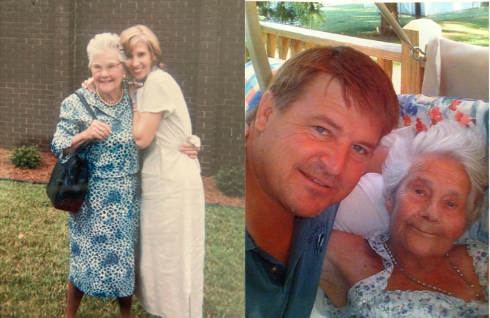
I mentioned my grandmother briefly in my last post and I would love to share more about her! Her name was Mildred and this year she would have celebrated her 101st year around the sun. She was was the pillar of our family and barrel of fun! I can see her infectious smile now, dancing in the kitchen singing "If I'd known you were coming, I would've baked you a cake"! Most of my memories of grandmama Mildred involve her journey living with dementia. She taught our family so much in the 8+ years she lived with dementia. Her sense of humor never ceased and was a critical piece in allowing grace to shine bright through it all. And boy did we need grace - we didn't always get it right. That's life.
