
Why Hospital Systems Need Dementia Training Across Every Employee Sector
A hospital-wide strategy can strengthen patient safety, workforce readiness, care transitions and measurable performance.
Posts about:
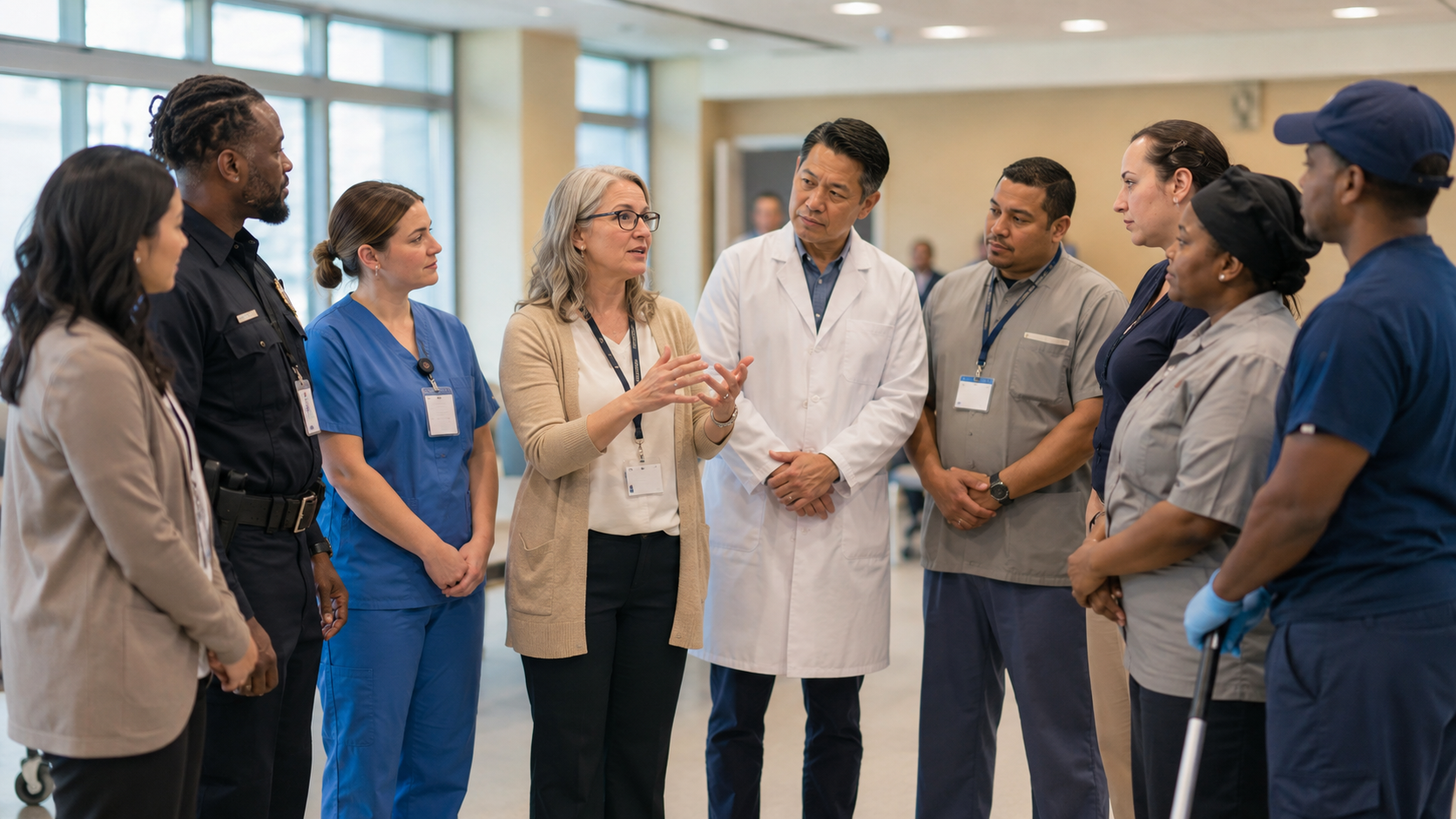
A hospital-wide strategy can strengthen patient safety, workforce readiness, care transitions and measurable performance.
.jpg)
The Program of All-Inclusive Care for the Elderly (PACE) was designed to serve individuals with complex medical, functional, and social needs. As dementia prevalence continues to rise, PACE programs are increasingly caring for participants whose cognitive impairment impacts nearly every aspect of care delivery.
As we approach 2026, PACE organizations face a convergence of challenges:
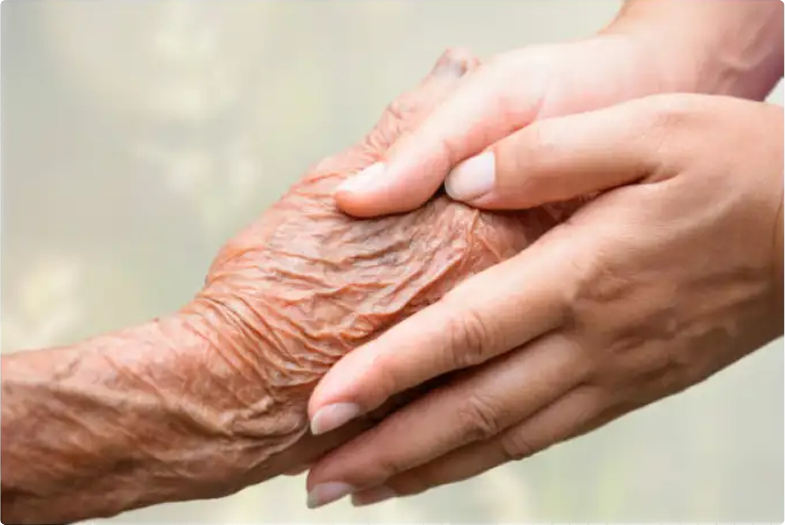
As CMS prepares the field for the Hospice Outcomes & Patient Evaluation (HOPE), hospice organizations nationwide are re-examining how they deliver, document, and demonstrate quality. HOPE — a comprehensive assessment and quality framework designed to replace the Hospice Item Set (HIS) — elevates key domains of care that lie at the heart of hospice philosophy. These include pain management, symptom (and behavioral) management, and psychosocial and spiritual needs.
Learn more from CMS here.

The newly released Caregiving in the U.S. 2025 report from AARP and the National Alliance for Caregiving paints a clear and sobering picture: 63 million Americans—nearly 1 in 4 adults—are now providing care to someone with a serious health condition or disability. This represents a 45% increase since 2015 and reflects a caregiving landscape that is larger, more diverse, and more complex than at any time in our nation’s history.

I wonder if "retirement" will be one of those words that get's shelved as such a "twenty-tens" thing. Why the buzz about nixing retirement?