
Rural Dementia Care: What the Care Ecosystem Teach Us
Rural Dementia Care: Lessons From the Care Ecosystem
Posts about:
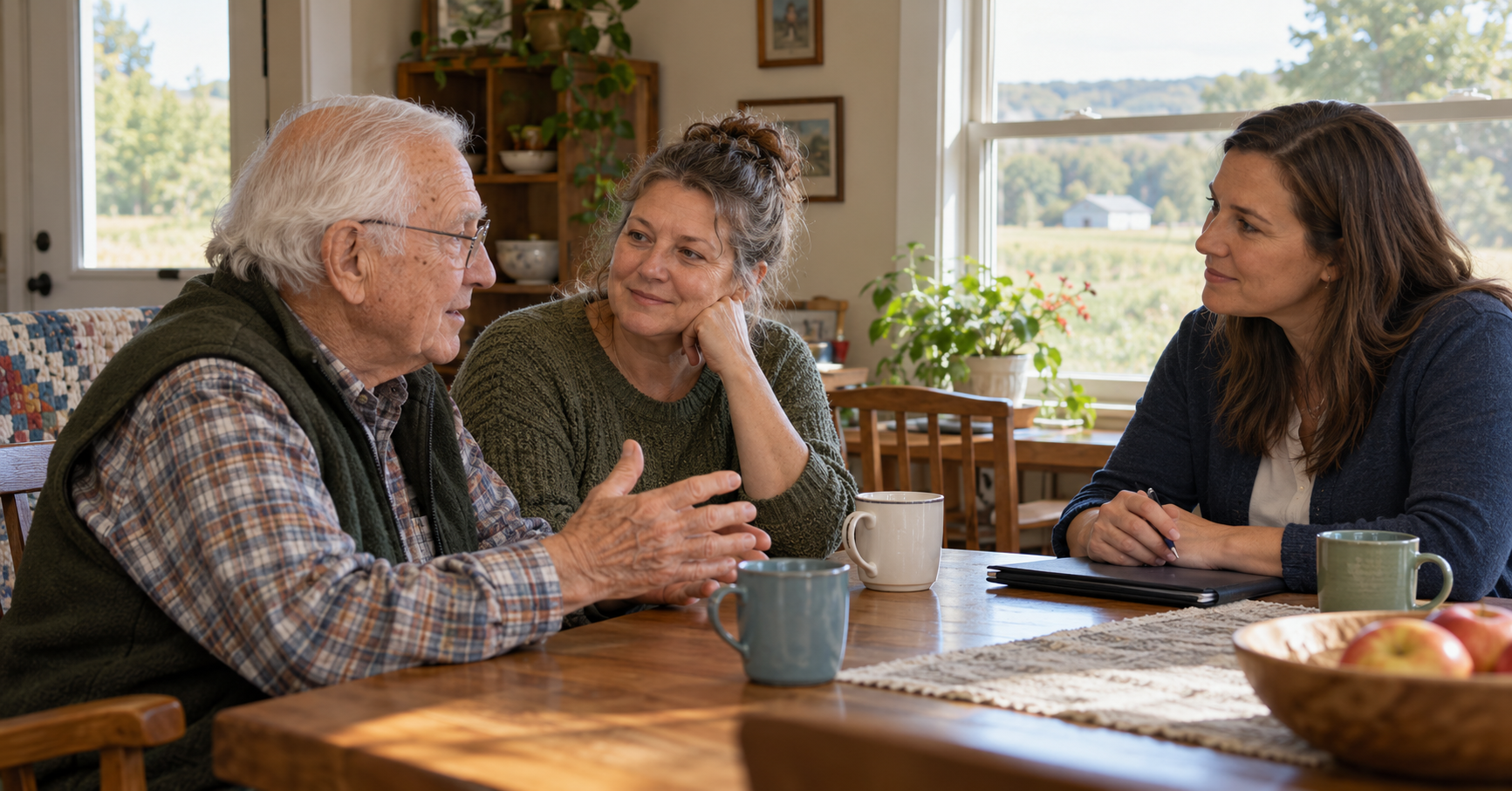
Rural Dementia Care: Lessons From the Care Ecosystem
Is dementia care really suffering from a lack of innovation, or are we struggling to implement what we already know?
Rural Health Transformation Starts in the Community
A hospital-wide strategy can strengthen patient safety, workforce readiness, care transitions and measurable performance.
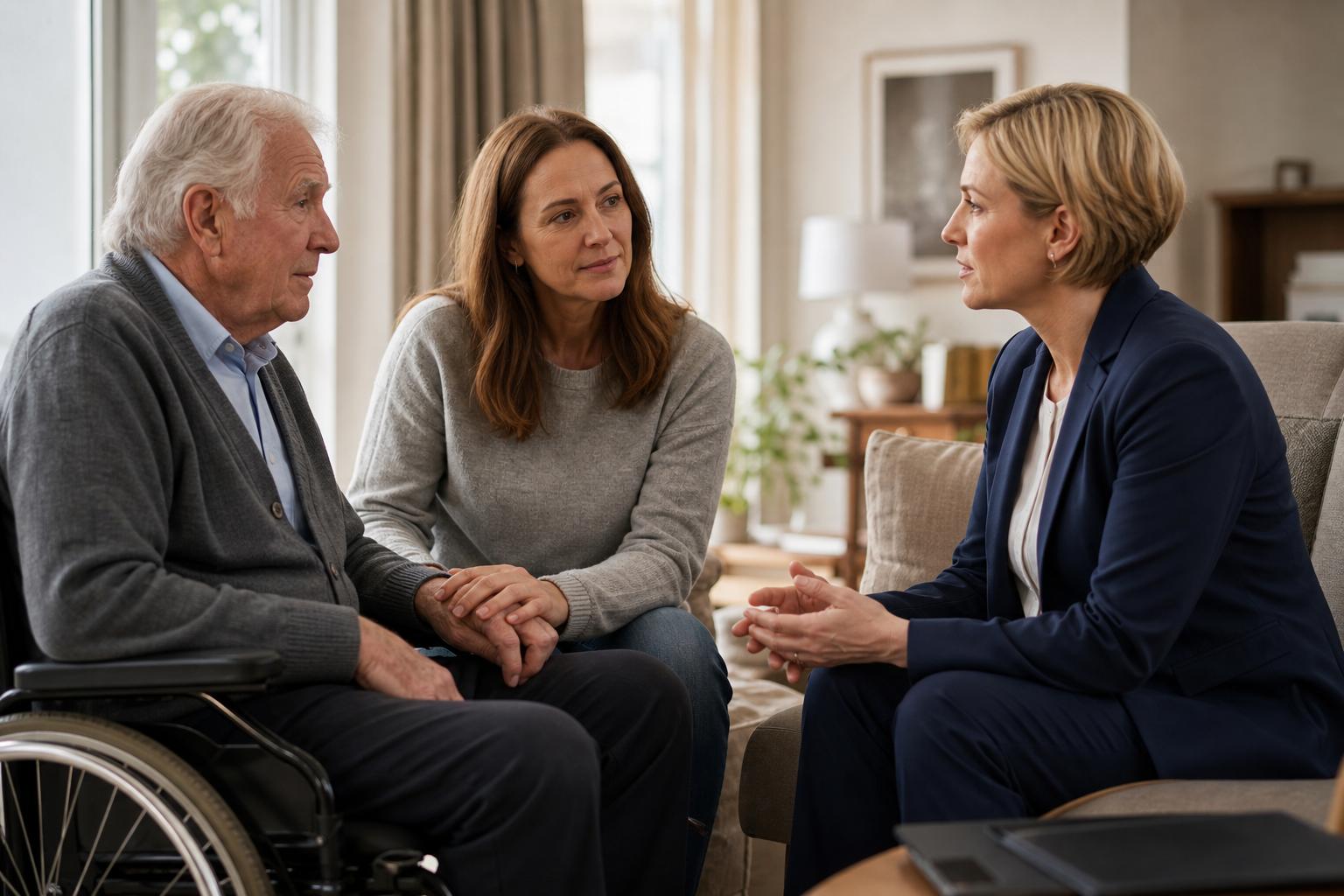
Why America’s Largest Invisible Care Workforce Is Healthcare’s Most Overlooked Strategic Asset
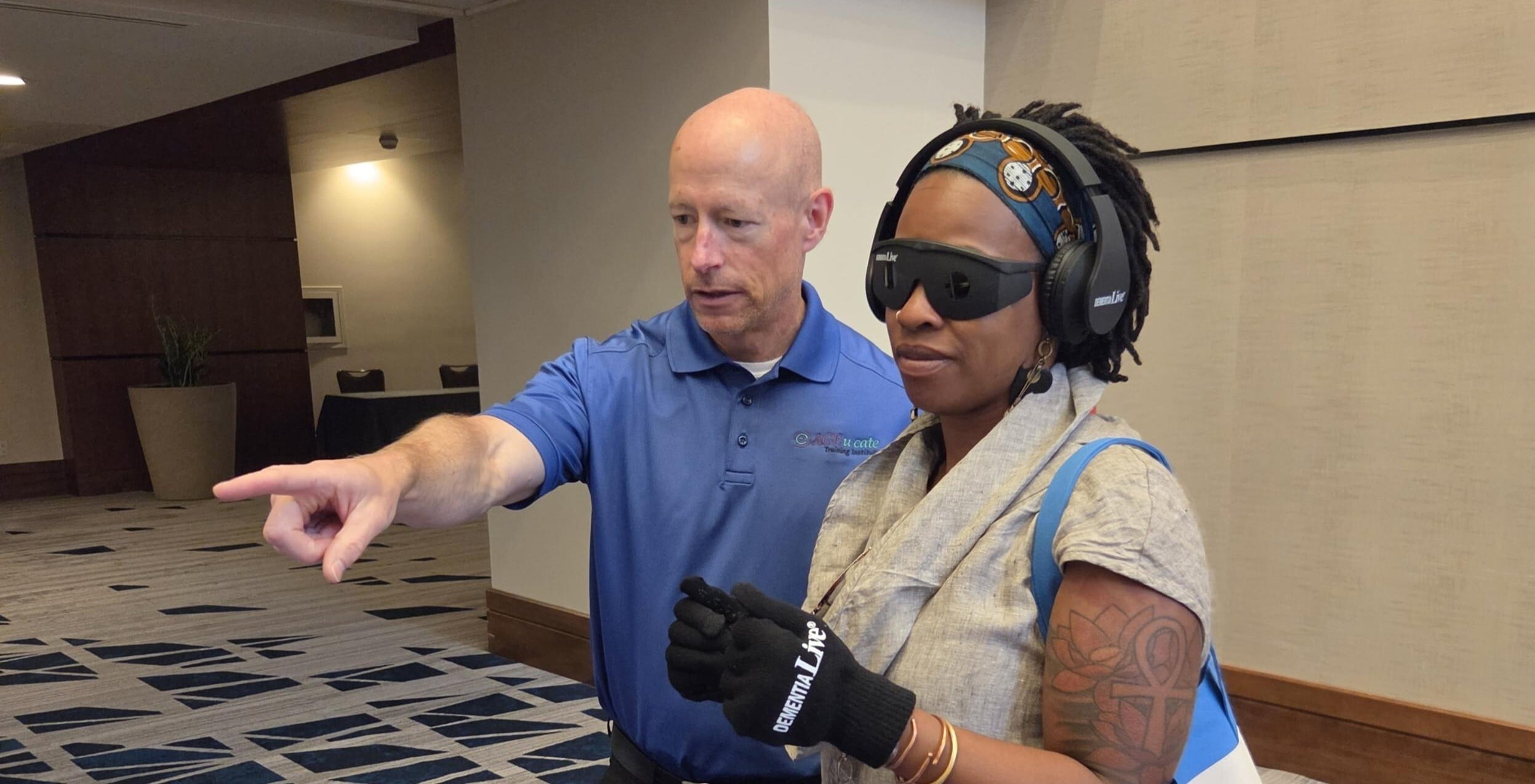
We were honored to participate in the 2026 Florida Council on Aging Conference this week, joining hundreds of leaders who are working every day to improve the lives of older adults, strengthen communities, and support family caregivers. Throughout the conference, one message rose above every conversation: no single organization can meet the growing needs of our aging population alone. Health plans, aging service providers, public health agencies, community-based organizations, and local leaders all have an important role to play. The future of healthy aging depends on how well we work together.
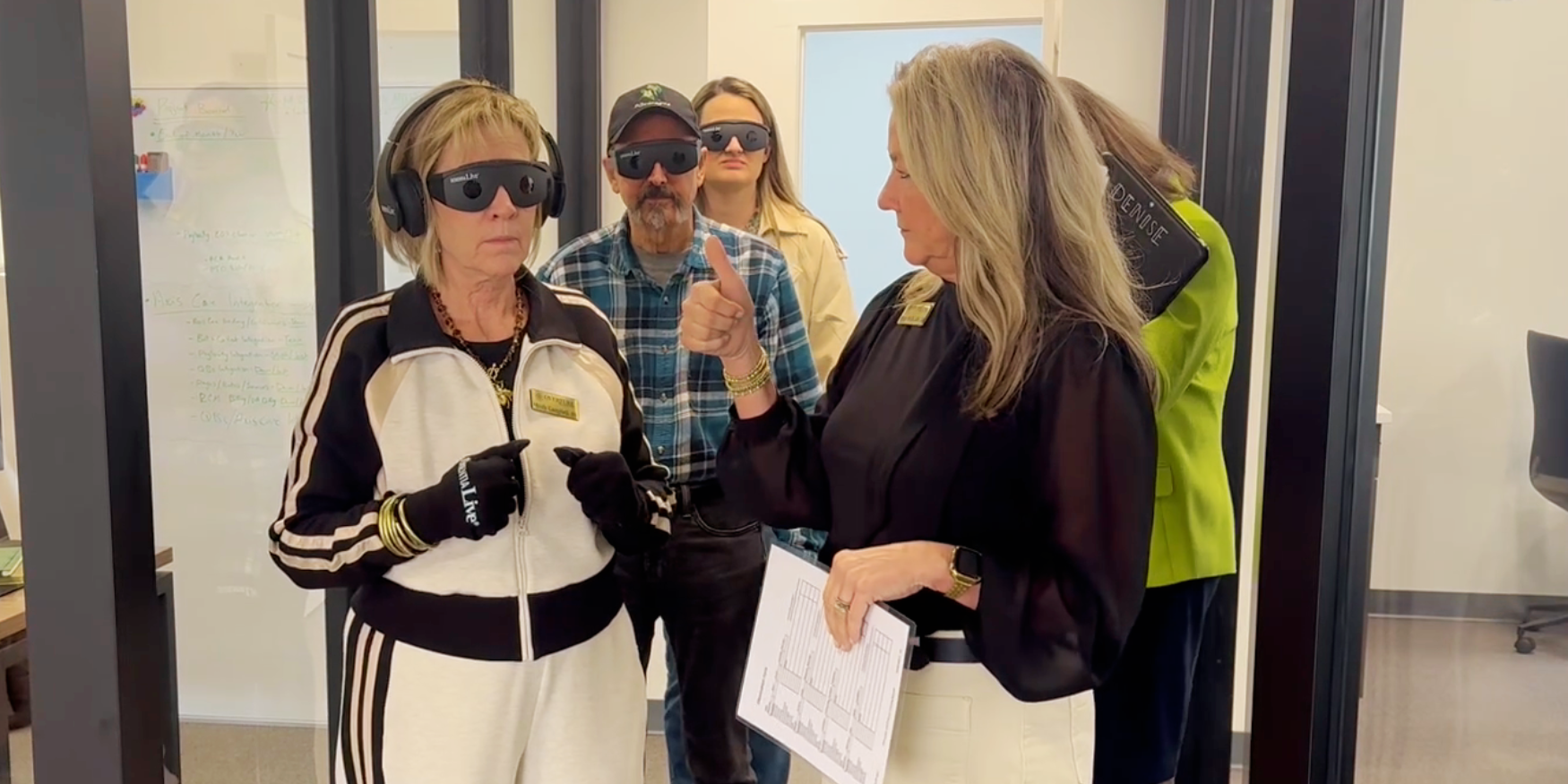
Senior living leaders today face a workforce landscape shaped by rising acuity, increasing dementia prevalence, and unprecedented staffing pressures. Dementia care is emotionally demanding, operationally complex, and deeply tied to staff retention. As the number of people living with dementia continues to grow, organizations that treat dementia education as a strategic workforce investment — not just a care initiative — are seeing measurable improvements in culture, confidence, and consistency. Dementia education is no longer optional. It is a workforce strategy that strengthens onboarding, reduces turnover, and builds a resilient, empathy-driven care culture.