
Frontotemporal Dementia: FTD Symptoms, Research, and the Power of Understanding
A conversation becomes harder to follow. A familiar routine begins to unravel. Someone you love responds in ways you do not recognize.
Posts about:

A conversation becomes harder to follow. A familiar routine begins to unravel. Someone you love responds in ways you do not recognize.

Is dementia care really suffering from a lack of innovation, or are we struggling to implement what we already know?

Rural Health Transformation Starts in the Community
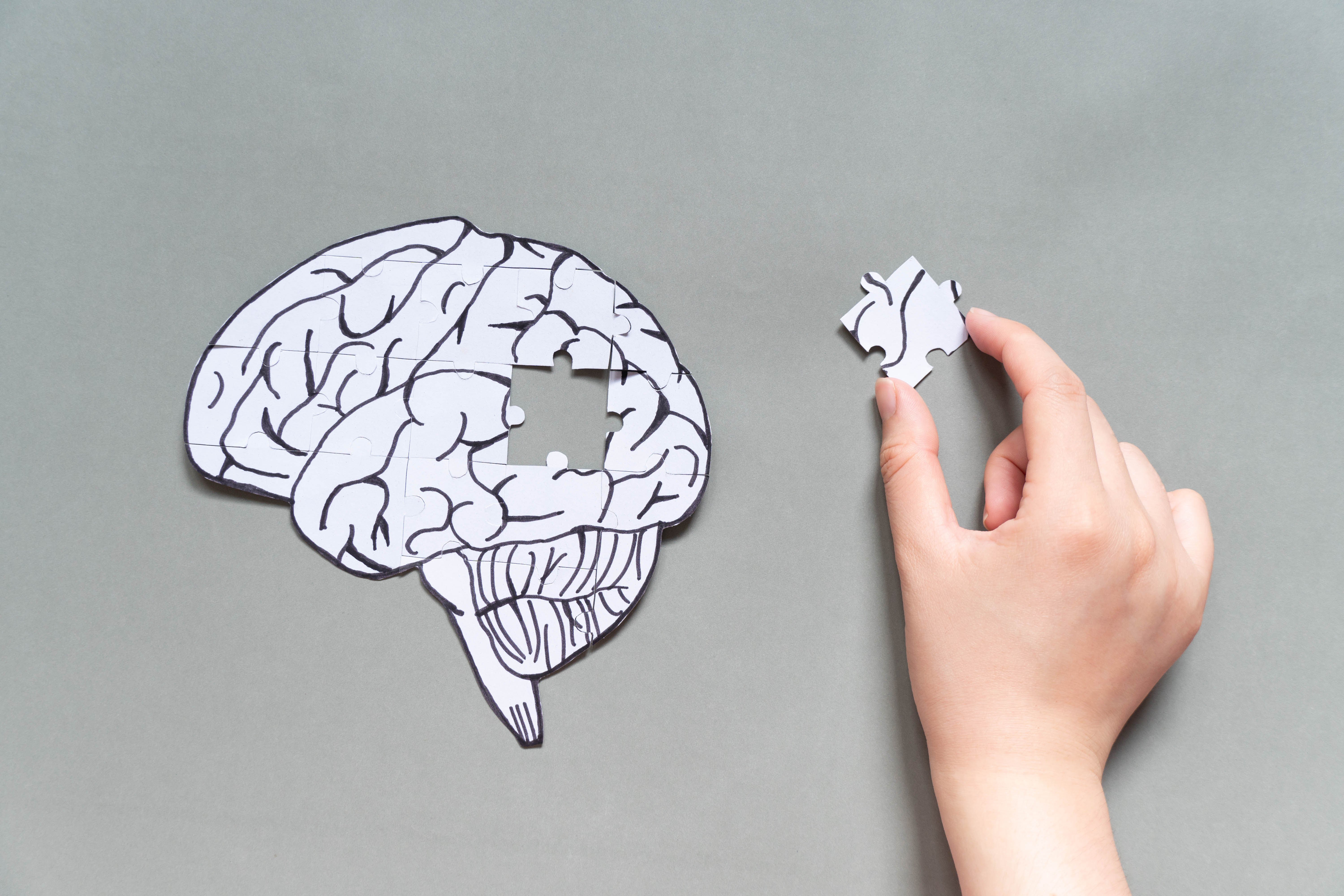
Why Youth Education Can Help Shape a Healthier Future
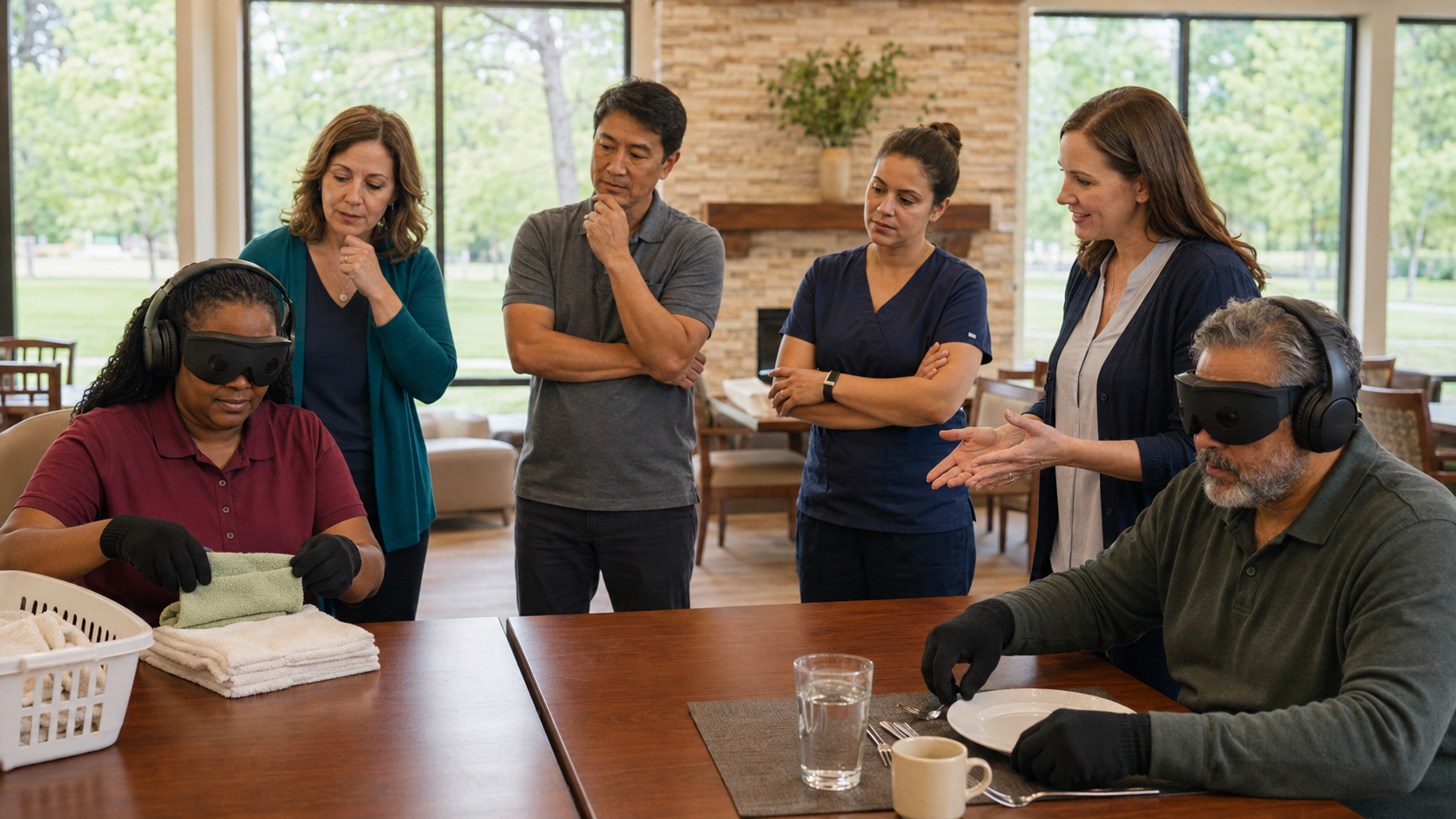
What changes when a caregiver moves beyond learning about dementia and begins to understand what living with cognitive change might feel like?

A hospital-wide strategy can strengthen patient safety, workforce readiness, care transitions and measurable performance.
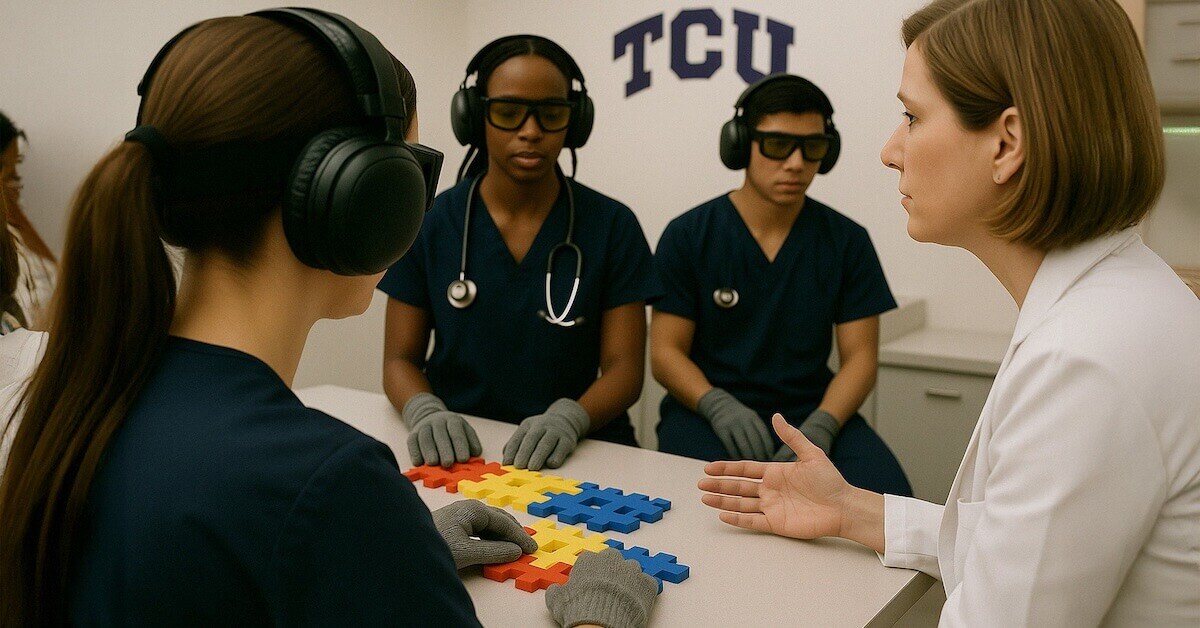
Dementia isn’t a far-off concern for tomorrow’s healthcare professionals. It’s an urgent reality. One that demands not just knowledge—but empathy.