As dementia rates rise nationwide, health plans, public health agencies, and community organizations have an opportunity to improve outcomes, reduce costs, and strengthen communities by investing in caregiver education, resource navigation, and support services.
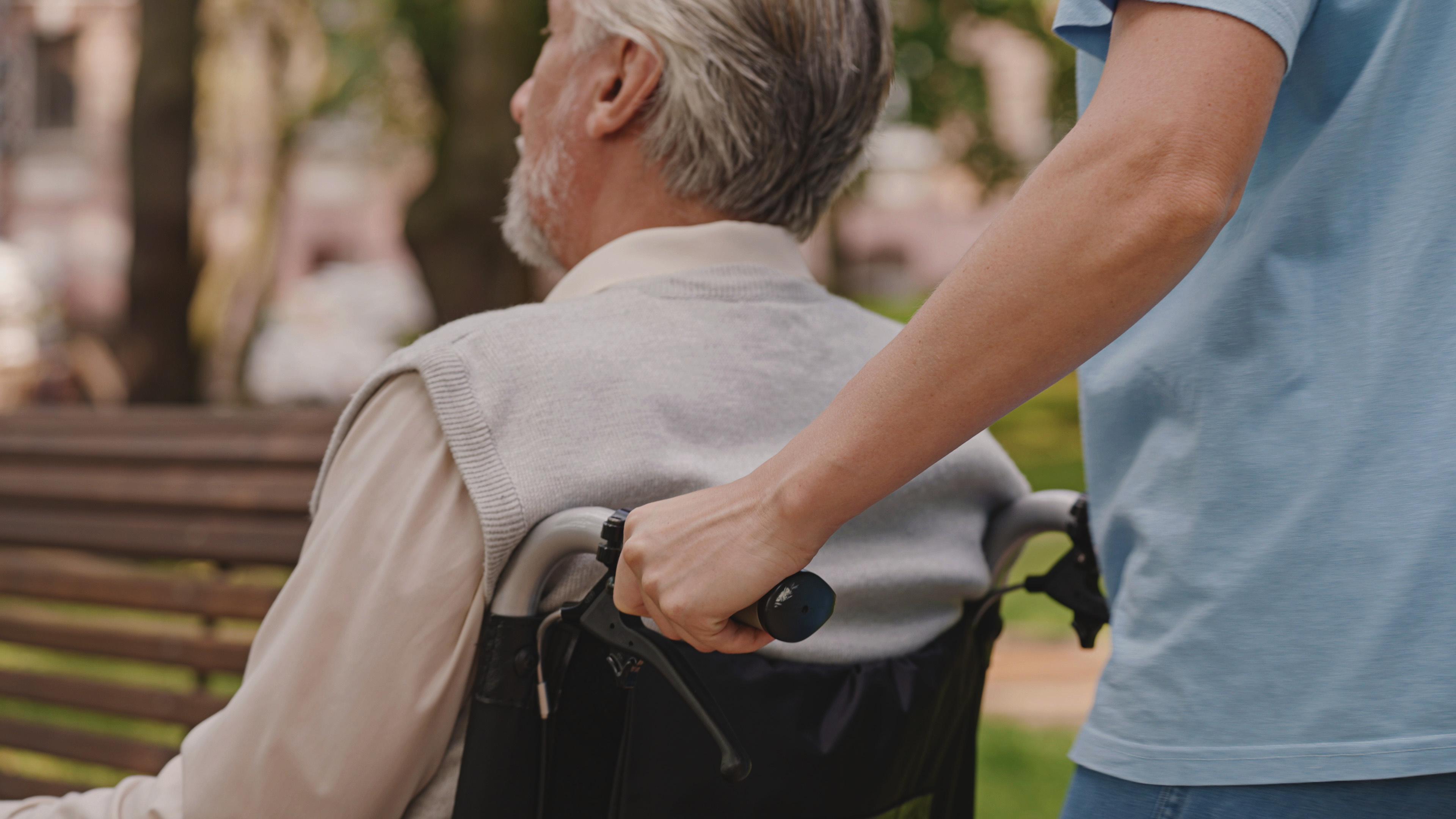
Family caregivers are the backbone of dementia care in the United States. They coordinate appointments, manage medications, navigate healthcare systems, provide emotional support, and often serve as the primary advocate for a loved one living with dementia. Yet despite their critical role, millions of caregivers remain disconnected from the education, resources, and support systems that could help them succeed.
For health plans, public health agencies, Area Agencies on Aging, community-based organizations, PACE programs, and healthcare providers, reaching dementia caregivers is no longer simply a caregiving issue—it is a population health priority.
As dementia prevalence continues to grow, communities that invest in caregiver education and support will be better positioned to improve outcomes, reduce healthcare costs, and strengthen the overall health and well-being of aging populations.
The Growing Dementia Caregiving Challenge
The need has never been greater.
According to the Alzheimer's Association, nearly 12 million family members and friends provide care for people living with Alzheimer's disease and other dementias in the United States. Together, they contribute billions of hours of unpaid care annually, representing one of the largest invisible workforces in healthcare.
At the same time, AARP and the National Alliance for Caregiving report that approximately 63 million Americans now serve as family caregivers, reflecting a dramatic increase over the past decade.
Behind these numbers are individuals helping loved ones manage:
- Medical appointments
- Medication schedules
- Daily living activities
- Transportation
- Behavioral and communication changes
- Financial responsibilities
- Social isolation
- Long-term care decisions
Most caregivers receive little or no formal training before assuming these responsibilities.
As a result, many experience significant emotional, physical, and financial strain while trying to navigate increasingly complex healthcare systems.
Why Caregiver Education Matters
When caregivers lack access to dementia education and support, the consequences extend far beyond the family.
Without a clear understanding of dementia progression, communication strategies, available resources, and care planning options, caregivers often face overwhelming stress and uncertainty.
This can contribute to:
- Increased emergency department visits
- Avoidable hospitalizations
- Poor care coordination
- Earlier institutional placement
- Caregiver burnout
- Higher healthcare utilization and costs
Conversely, caregivers who receive education and support are better equipped to manage challenges proactively, recognize changes earlier, communicate more effectively with healthcare providers, and access resources before a crisis occurs.
The Centers for Disease Control and Prevention (CDC) recognizes caregiver support as a critical public health strategy through its Healthy Brain Initiative, emphasizing the importance of integrating caregiver resources into state and local public health efforts.
Caregiver education is not simply about improving knowledge—it is about improving outcomes.
Why Health Plans Must Prioritize Caregiver Outreach
For Medicare Advantage plans, Medicaid managed care organizations, GUIDE participants, and value-based care programs, caregiver engagement has become increasingly important.
Family caregivers often influence nearly every aspect of a member's healthcare journey, including:
- Medication adherence
- Care transitions
- Preventive care participation
- Chronic disease management
- Hospital readmissions
- Home and community-based service utilization
- Social determinant interventions
Yet many caregivers remain largely invisible within traditional healthcare delivery systems.
As healthcare shifts toward value-based care and whole-person care models, organizations are recognizing that improving outcomes for individuals living with dementia requires supporting the caregivers who assist them every day.
Effective caregiver outreach strategies may include:
- Dementia education programs
- Resource navigation services
- Caregiver coaching
- Support groups
- Community health worker engagement
- Community-based education initiatives
- Experiential learning opportunities
- Wellness and resilience programs
When caregivers are informed, connected, and supported, the benefits extend to the individual, the family, the healthcare system, and the community.
Rural and Underserved Communities Face Greater Barriers
The challenges become even more significant in rural and underserved communities.
Rural caregivers often face unique obstacles, including:
- Limited access to dementia specialists
- Healthcare workforce shortages
- Transportation challenges
- Geographic isolation
- Fewer support services
- Broadband and technology limitations
- Reduced access to caregiver training opportunities
For many rural families, the caregiver becomes the primary coordinator of care, often without the benefit of nearby resources or specialized support.
In underserved communities, additional barriers such as language differences, health literacy challenges, cultural considerations, and economic limitations can further complicate access to dementia education and services.
As a result, many caregivers do not discover available resources until they have already reached a crisis point.
This reality underscores the need for proactive, community-based outreach strategies that bring education and support directly into neighborhoods rather than expecting caregivers to find services on their own.
Accessible Dementia Education Is Essential
One of the biggest misconceptions in healthcare is that information alone changes behavior.
Caregivers need more than brochures and websites. They need education that is:
- Easy to understand
- Accessible locally
- Available in multiple formats
- Culturally responsive
- Reinforced over time
- Connected to actionable resources
The most effective initiatives meet caregivers where they live, work, worship, and engage within their communities.
This is where partnerships become essential.
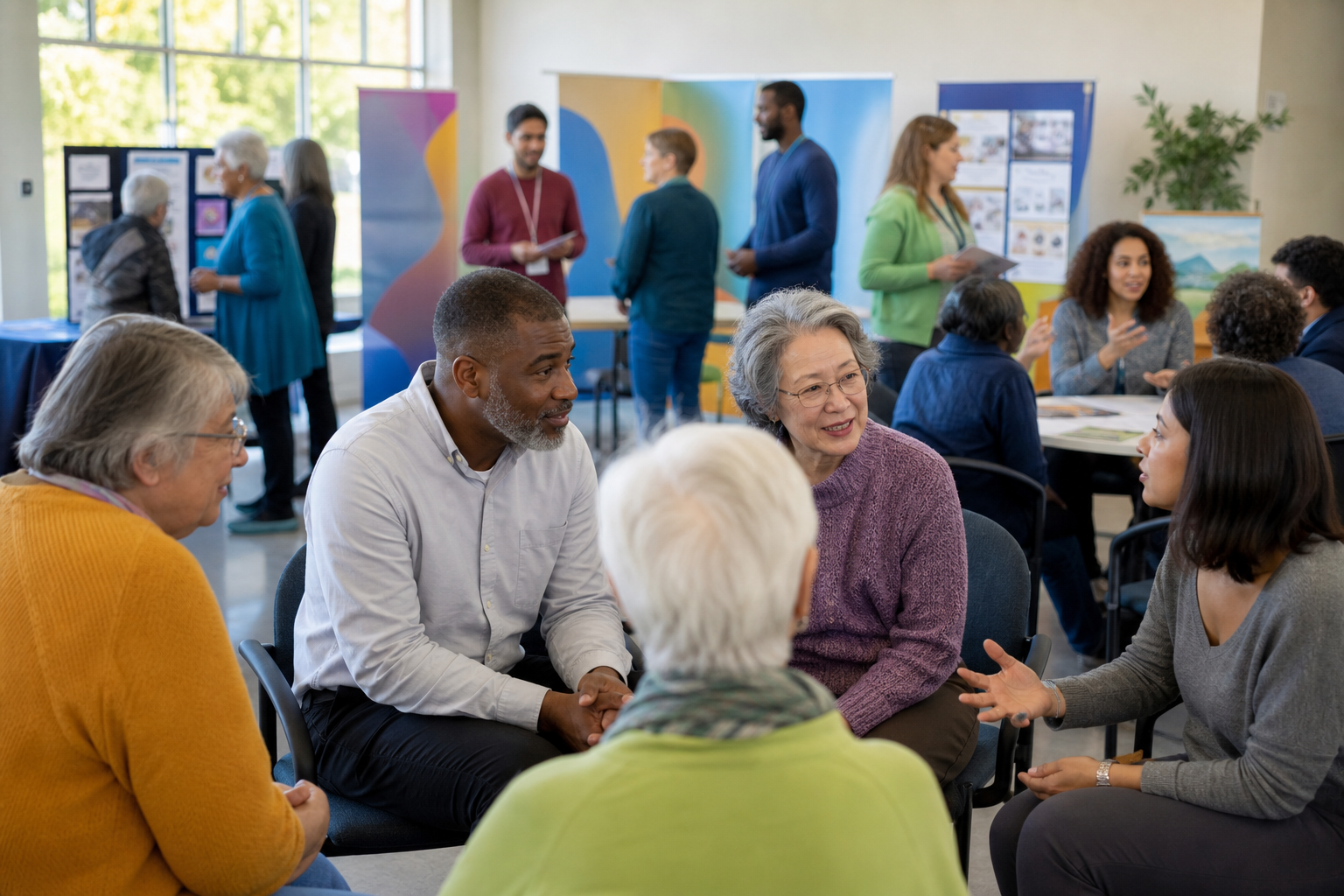
Libraries, faith communities, Area Agencies on Aging, health plans, healthcare providers, senior centers, community health workers, public health agencies, and local nonprofits all have a role to play in expanding caregiver education and support.
The goal is not simply awareness. The goal is meaningful engagement that empowers caregivers to take action and access help before challenges escalate.
Building Stronger Communities Through Collaboration
No single organization can solve the dementia caregiving challenge alone.
The most successful communities are building collaborative ecosystems that connect healthcare providers, public health agencies, aging services organizations, community-based organizations, health plans, and local leaders around a shared goal: supporting caregivers and helping people living with dementia remain engaged in their communities for as long as possible.
Federal initiatives such as the CDC Healthy Brain Initiative, the BOLD Infrastructure for Alzheimer's Act, PACE expansion efforts, HCBS initiatives, and the CMS GUIDE Model all recognize the importance of caregiver support as a cornerstone of successful dementia care.
But policy alone is not enough.
Progress happens when organizations work together to ensure caregivers can easily access education, resources, support services, and community connections.
The Path Forward
The future of dementia care depends on more than clinical interventions.
It depends on whether we can effectively reach, educate, and support the millions of family caregivers who provide care every day.
Caregiver support is no longer simply a social service issue—it is a healthcare, workforce, and public health strategy that directly influences quality outcomes, healthcare utilization, and the long-term sustainability of our aging services system.
For health plans, public health agencies, community organizations, and healthcare providers, the opportunity is clear.
By investing in accessible dementia education, resource distribution, community engagement, and caregiver support, we can improve outcomes, reduce costs, strengthen communities, and create a more dementia-capable future.
Because when caregivers are supported, entire communities become stronger.
AGE-u-cate Training Institute is a leader in community dementia education community activation. Learn more how you can reach more caregivers with proven, powerful and effective experinetial learning and engagement solutions.

Resources
Alzheimer's Association Facts & Figures
https://www.alz.org/alzheimers-dementia/facts-figures
Caregiving in the U.S. (AARP & National Alliance for Caregiving)
https://www.aarp.org/pri/topics/ltss/family-caregiving/caregiving-in-the-us-2025/
CDC Healthy Brain Initiative
https://www.cdc.gov/aging-programs/php/healthy-brain-initiative
BOLD Infrastructure for Alzheimer's Act
https://www.cdc.gov/aging/healthybrain/bold.htm
National Alliance for Caregiving
https://www.caregiving.org