What It Takes to Build Healthier Aging Communities
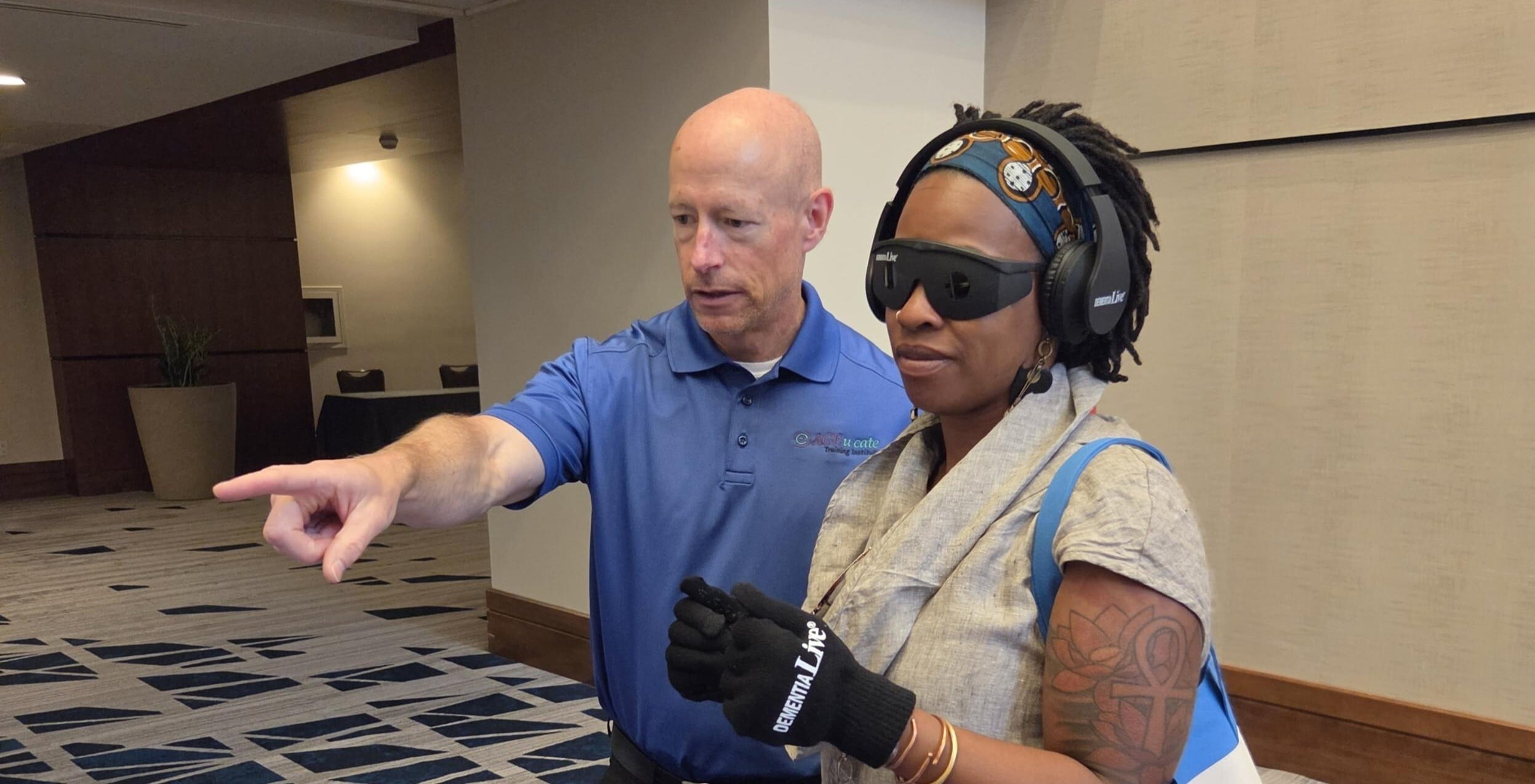
We were honored to participate in the 2026 Florida Council on Aging Conference this week, joining hundreds of leaders who are working every day to improve the lives of older adults, strengthen communities, and support family caregivers. Throughout the conference, one message rose above every conversation: no single organization can meet the growing needs of our aging population alone. Health plans, aging service providers, public health agencies, community-based organizations, and local leaders all have an important role to play. The future of healthy aging depends on how well we work together.
Florida's Aging Population Reflects a National Challenge
Florida has long been recognized as one of the nation's oldest states, but the challenges discussed throughout the conference extend far beyond its borders. Across the country, communities are preparing for unprecedented growth in the older adult population while facing workforce shortages, rising rates of chronic disease, caregiver burnout, increasing dementia prevalence, and growing healthcare costs. Millions of family caregivers provide the majority of long-term support, often without training or a clear understanding of available resources. This is not simply a service gap—it is an engagement gap.
Why More Programs Alone Won't Solve the Problem
Communities already have exceptional organizations serving older adults, from Area Agencies on Aging and senior centers to hospitals, faith communities, libraries, public health departments, home care agencies, hospice providers, and local nonprofits. The challenge is not the absence of resources; it is helping people discover and trust those resources before a crisis occurs. Healthy aging begins with awareness, education, trusted relationships, and meaningful community engagement.
Why Health Plans Are Investing in Community Partnerships
Medicare Advantage organizations, Medicaid managed care plans, PACE programs, and health systems increasingly recognize that outcomes are shaped by social drivers of health as much as clinical care. Caregiver confidence, transportation, nutrition, social connection, health literacy, and access to community resources all influence whether older adults remain healthy and independent. Strong community partnerships help bridge these gaps.
Community Activation Connects the Ecosystem
Community activation is not another program—it is a strategy that intentionally connects healthcare organizations, community-based organizations, caregivers, employers, educators, faith communities, and local leaders around shared goals. When these relationships are strengthened, caregivers find help earlier, referrals improve, professionals collaborate more effectively, and communities become easier to navigate.
Building a Stronger Workforce
Community activation also strengthens the workforce. Experiential education and ongoing collaboration increase staff confidence, improve communication, support retention, and encourage more person-centered care. Investing in people ultimately improves outcomes for older adults and families.
Conclusion
As we left the Florida Council on Aging Conference, one thought stayed with us: the future of aging services will not be defined by the organizations with the most programs, but by the communities that work together most effectively. By activating communities, strengthening partnerships, and meeting people where they are, we can build a future in which older adults, family caregivers, and the professionals who support them all thrive.
.png)