
Why Dementia Education Is a Workforce Strategy
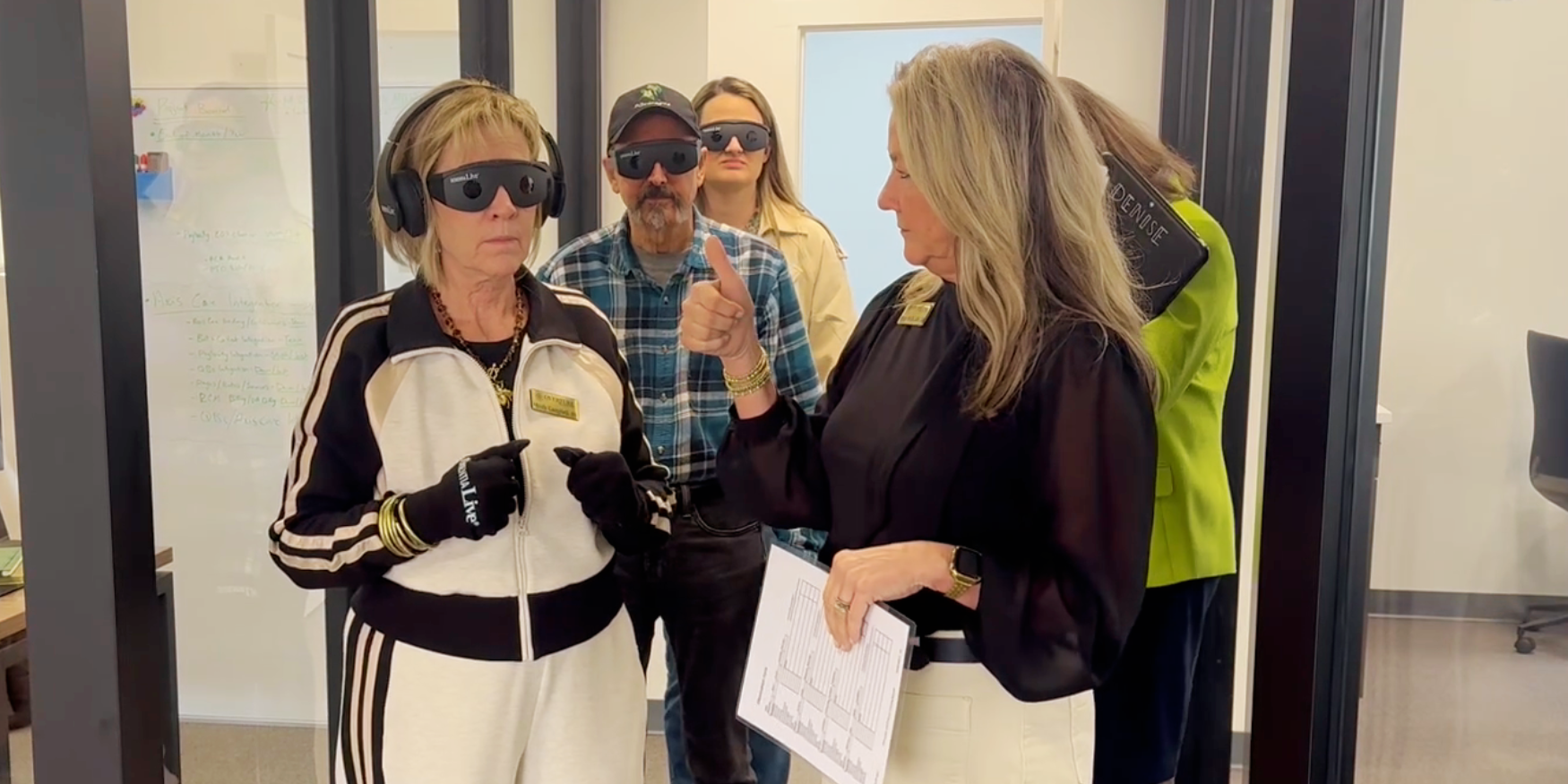
Senior living leaders today face a workforce landscape shaped by rising acuity, increasing dementia prevalence, and unprecedented staffing pressures. Dementia care is emotionally demanding, operationally complex, and deeply tied to staff retention. As the number of people living with dementia continues to grow, organizations that treat dementia education as a strategic workforce investment — not just a care initiative — are seeing measurable improvements in culture, confidence, and consistency. Dementia education is no longer optional. It is a workforce strategy that strengthens onboarding, reduces turnover, and builds a resilient, empathy-driven care culture.
The Emotional Toll of Dementia Care on Staff
Caring for individuals living with dementia requires patience, emotional regulation, and the ability to navigate unpredictable behaviors. Without proper preparation, staff often experience compassion fatigue, emotional exhaustion, stress related to communication challenges, and feelings of inadequacy. According to the Alzheimer’s Association, more than 70% of dementia caregivers report that coordinating care is stressful, and over half say navigating dementia-related behaviors is difficult. These pressures don’t just affect caregivers — they ripple across teams, impacting morale, engagement, and ultimately retention.
The emotional toll is intensified when staff feel unequipped to interpret unmet needs or respond to behavioral expressions. When caregivers lack the tools to understand what a resident is communicating through agitation, withdrawal, or confusion, they experience higher stress and lower confidence. This emotional strain contributes directly to burnout, absenteeism, and turnover — all of which carry significant operational costs for senior living organizations.
How Lack of Preparation Contributes to Burnout and Turnover
When staff enter dementia care roles without adequate training, they are more likely to experience high stress, difficulty interpreting unmet needs, frustration with communication barriers, and a sense of being unsupported. Research from the National Research Summit on Dementia Care identifies workforce education as a critical gap, noting that insufficient dementia training directly affects recruitment and retention.
Burnout in dementia care is not simply the result of long hours or physical demands — it is often rooted in emotional overwhelm and a lack of confidence. Staff who feel unprepared for behavioral expressions or communication challenges are more likely to disengage or leave their roles entirely. This turnover disrupts continuity of care, increases onboarding costs, and places additional strain on remaining team members.
In contrast, organizations that invest in dementia education report improved staff satisfaction, stronger team cohesion, and reduced turnover. Training provides caregivers with the knowledge and skills needed to interpret behaviors, respond with empathy, and feel confident in their daily interactions.
Why Empathy-Based Dementia Education Improves Confidence
Empathy-based dementia education is one of the most effective ways to build caregiver confidence. Experiential training — such as simulation-based programs — helps staff feel what it’s like to live with cognitive and sensory changes. This type of training has been shown to reduce agitation, improve communication, strengthen caregiver resilience, and increase job satisfaction.
Programs like Dementia Live® immerse participants in the world of dementia, creating a profound shift in understanding. Studies show that experiential dementia training increases caregiver confidence by helping them better interpret behaviors, anticipate needs, and respond with compassion.
Confidence is a retention tool. When caregivers feel capable and supported, they are more likely to stay in their roles, contribute positively to team culture, and deliver higher-quality care.
How Training Supports Consistency Across Teams
Consistency is one of the greatest challenges in dementia care. Without shared language, shared techniques, and shared expectations, teams struggle to deliver predictable, person-centered care. Dementia education supports consistency by standardizing communication approaches, providing evidence-based behavior-response strategies, reducing variability in care practices, and strengthening interdisciplinary collaboration.
The National Institute on Aging emphasizes the need for a dementia-capable workforce with consistent skills, training, and competencies to meet growing care demands. When everyone is trained, everyone is aligned. This alignment reduces confusion, minimizes crisis-driven responses, and ensures that residents receive consistent, compassionate care regardless of who is on shift.
The Long-Term Organizational Benefits of Investing in Dementia Education
Leaders who prioritize dementia education see measurable organizational gains, including:
-
Improved Retention and Reduced Turnover — A holistic training model improves retention and reduces turnover in dementia care settings.
-
Stronger Culture and Higher Engagement — Teams that feel supported and confident are more collaborative, more resilient, and more committed.
-
Better Resident Outcomes — Empathy-based training reduces behavioral distress, improves communication, and enhances quality of life.
-
More Effective Onboarding — New hires gain clarity, confidence, and competence faster when dementia education is built into the onboarding process.
-
Operational Stability — Fewer crises, fewer escalations, and fewer staffing disruptions mean smoother operations and better family satisfaction.
Dementia education is not a cost center — it is a culture builder. It strengthens the workforce, enhances resident experiences, and supports long-term organizational health.
Building a Dementia-Capable Workforce with AGE-u-cate
AGE-u-cate’s programs align directly with leadership priorities:
Dementia Live® — Foundational Understanding
- Immersive, empathy-building simulation
- Helps staff understand sensory and cognitive changes
- Creates immediate mindset shifts that improve care interactions
Compassionate Touch® — Applied Skill-Building
- Teaches skilled touch and compassionate presence
- Reduces anxiety, agitation, and behavioral distress
- Strengthens connection and trust between caregivers and residents
Together, these programs create a workforce that is not only trained — but transformed. Interested in learning more about prioritizing dementia education in your workforce strategy? Contact us today to start the conversation about how you can strengthen your care culture.