
Why Dementia Training Belongs at the Heart of the PACE Model
How experiential education and practical care skills can strengthen dementia capability across the PACE interdisciplinary team
Posts about:
How experiential education and practical care skills can strengthen dementia capability across the PACE interdisciplinary team
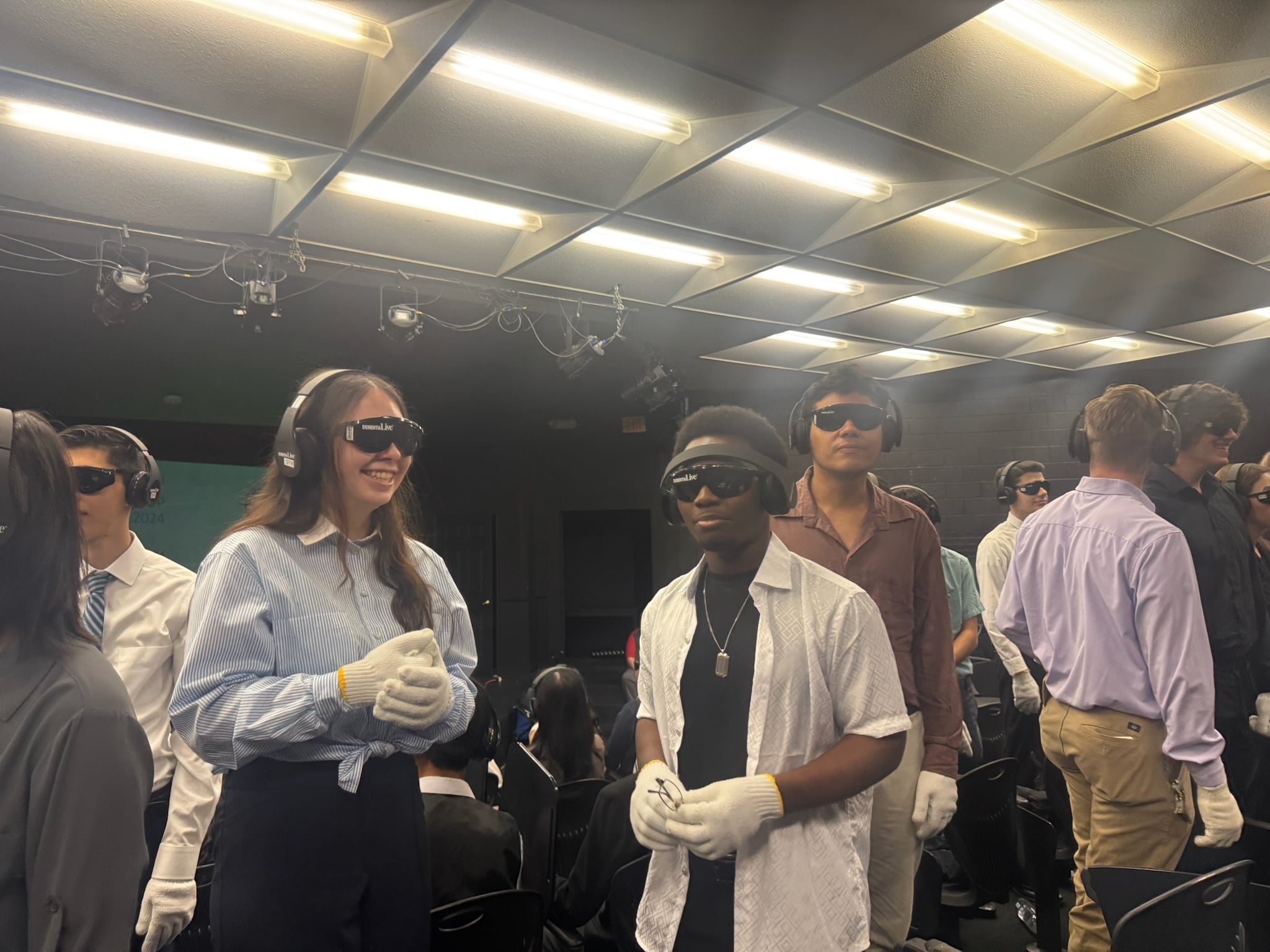
Our brains are wired to learn through experience. From childhood development to professional training, research consistently shows that people retain more, understand more deeply, and change behavior more effectively when they actively engage in learning rather than passively receive information.


With NBA's basketball season in full swing and NFL's Superbowl around the corner, no one doubts the incredible impact a good coach has on developing both the physical and mental strengths that lead to the success of sports teams. Today, coaches are proving their value in a diversity of areas: Whole Life Coach, Communications Coach, Wellness Coach, Career Coach, Weight Loss Coach, Business Coach, and even Relationship Coach.
In the sea of dementia care training, leaders can be overwhelmed when evaluating options. This article provides practical guidance if you are just getting started in creating a dementia training program or if you are re-evaluating current practices.
Before you learn the six components that define quality dementia care training, I'm going to discuss four fundamental truths:
We Must Educate, Engage, and Retain Employees
Aging service providers are experiencing dangerously high staff shortages that impact the quality of care, employee retention, and family satisfaction. These together directly affect the bottom line.
Studies reveal a correlation between the lack of investment in care team education and turnover, with staff reporting feeling ill-prepared for their work with older adults, especially those with memory loss. It's time for a change!
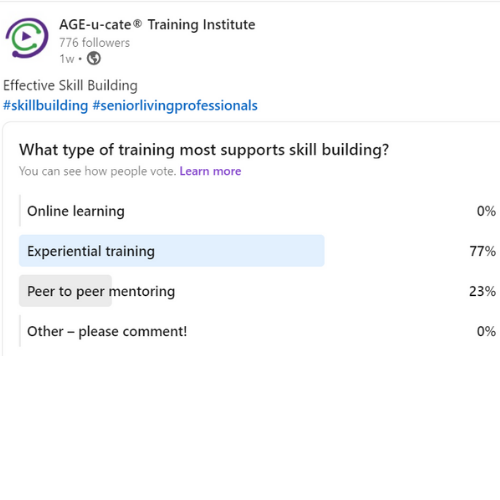
The team here at AGE-u-cate recently ran a poll on this very question. Of the following options, including online learning, experiential training, peer-to-peer mentoring, and "other". The clear winner was experiential training, coming in at 77%, followed by peer-to-peer mentoring at 23%.

There are many definitions of threshold that are worth discussing before we jump to the meat of how it relates to dementia training.