
Person-Centered Dementia Care in Practice
Is dementia care really suffering from a lack of innovation, or are we struggling to implement what we already know?
Posts about:
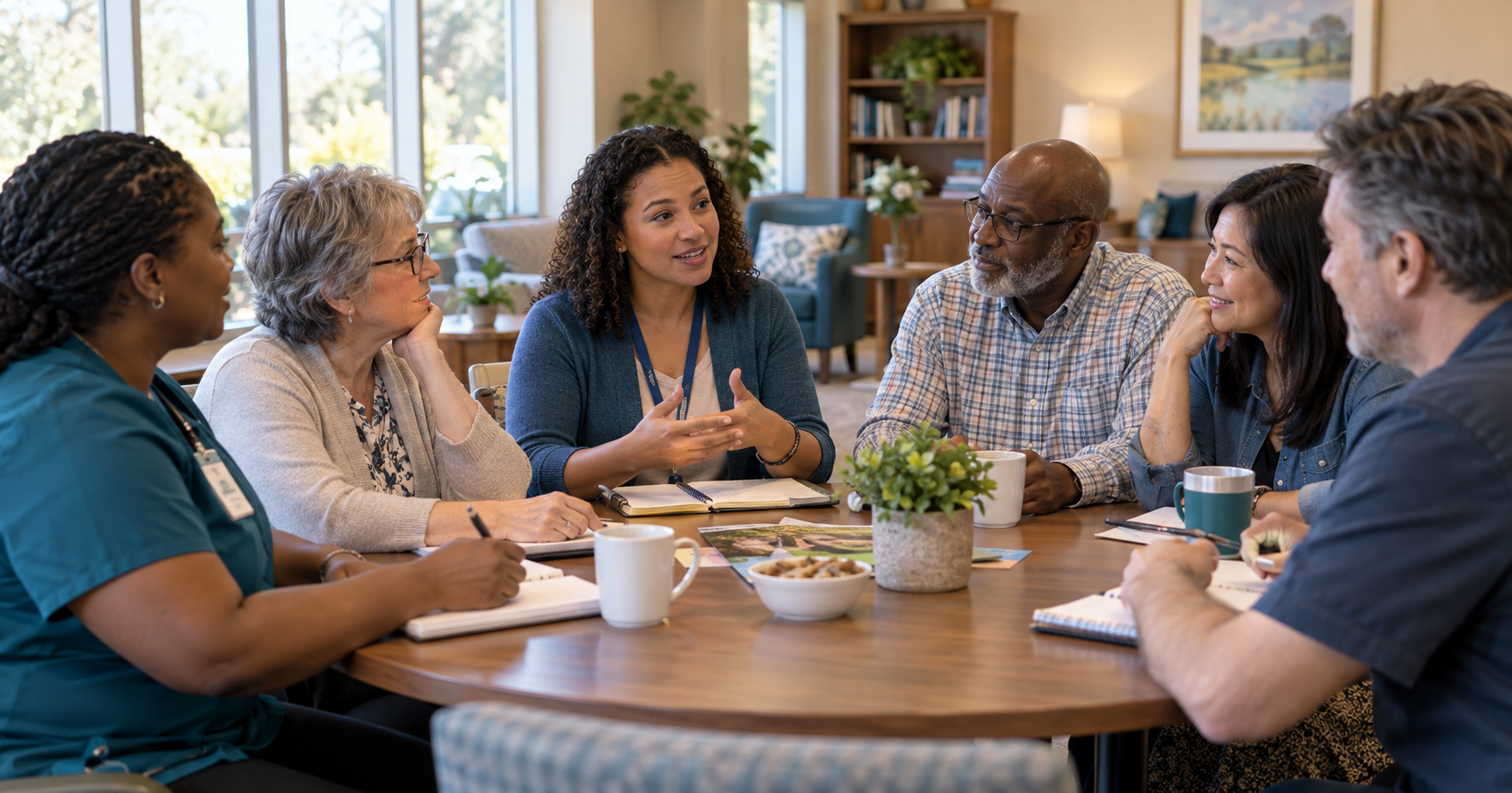
Is dementia care really suffering from a lack of innovation, or are we struggling to implement what we already know?

Why America’s Largest Invisible Care Workforce Is Healthcare’s Most Overlooked Strategic Asset
.jpg)
The Program of All-Inclusive Care for the Elderly (PACE) was designed to serve individuals with complex medical, functional, and social needs. As dementia prevalence continues to rise, PACE programs are increasingly caring for participants whose cognitive impairment impacts nearly every aspect of care delivery.
As we approach 2026, PACE organizations face a convergence of challenges:

The newly released Caregiving in the U.S. 2025 report from AARP and the National Alliance for Caregiving paints a clear and sobering picture: 63 million Americans—nearly 1 in 4 adults—are now providing care to someone with a serious health condition or disability. This represents a 45% increase since 2015 and reflects a caregiving landscape that is larger, more diverse, and more complex than at any time in our nation’s history.

Take a listen to a conversation between two industry leaders talking about training and education evolutions and strategies for success.

Aging Services providers are screaming from the mountain tops about the workforce crisis. Could it be that policy makers are finally listening?
The workforce crisis is about the inability of aging services providers to fill open positions and the lack of competitive wages.
Most definitely, a hopeful headline announced President Biden's plan investing billions to build an aging services workforce.
The time is right to seriously discuss the value of quality Elder Care in the United States. In addition, it is imperative that we intensify advocacy for improvements to strengthen services and supports for consumers. Moreover, we must enhance jobs for 4.6 million home care workers and nursing assistants.
 According to estimates from the National Alliance for Caregiving, during the past year, 65.7 million Americans (or 29 percent of the adult U.S. adult population involving 31 percent of all U.S. households) served as family caregivers for an ill or disabled relative. That is 65.7 million family caregivers who are desperately needing education, training, support and help with finding available resources. We must do a better job as these numbers are increasing drastically with our aging population.
