
Our Brains Are Built for Experiential Learning
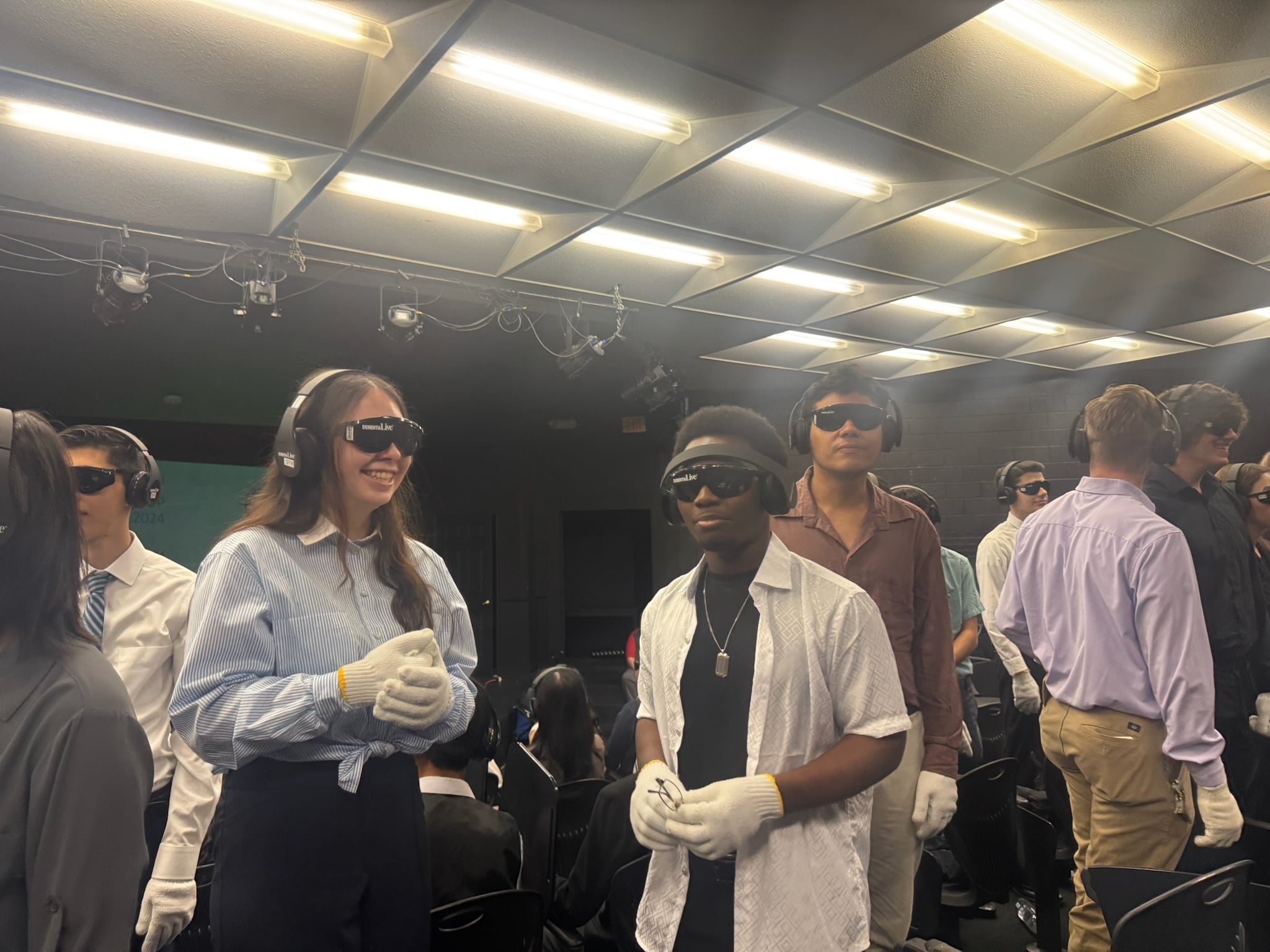
Our brains are wired to learn through experience. From childhood development to professional training, research consistently shows that people retain more, understand more deeply, and change behavior more effectively when they actively engage in learning rather than passively receive information.
What Is The Neuroscience Behind Experiential Learning?
At the core of experiential learning is the brain’s remarkable ability to adapt and rewire itself—a concept known as neuroplasticity. Neuroscience research confirms that the brain forms and strengthens neural connections in response to experience, not just exposure to information. In other words, when we do something, rather than simply hear about it, we activate multiple regions of the brain—sensory, emotional, and cognitive—creating stronger and more lasting memories.
Active learning approaches further support this. Studies show that learners engaged in hands-on, participatory experiences perform better and retain knowledge more effectively than those in traditional lecture-based settings. This is because experiential learning increases cognitive engagement, attention, and meaning-making—all critical components of how the brain processes and stores information.
What Is Kolb’s Experiential Learning Cycle?
One of the most widely recognized frameworks supporting this concept comes from psychologist David Kolb, who defined learning as a process where knowledge is created through the transformation of experience. His model outlines a four-stage cycle:
-
Concrete Experience: actively engaging in an experience
-
Reflective Observation: thinking about that experience
-
Abstract Conceptualization: forming insights or conclusions
-
Active Experimentation: applying what was learned
This cycle aligns seamlessly with how the brain naturally learns - through action, reflection, and application. It also explains why simply reading about a concept rarely leads to meaningful behavior change.
How Does Experiential Learning Drive Behavior Change?
Experiential learning goes beyond knowledge acquisition—it transforms perspective. Research shows that when learners are actively involved, they take greater ownership of the learning process and are better able to apply knowledge to real-world situations.
This is especially important in fields like healthcare, where understanding is not enough—behavior, empathy, and decision-making directly impact outcomes.
For example, reading about dementia symptoms may increase awareness, but it does not necessarily change how a caregiver communicates, responds, or connects. Experiential learning bridges that gap by allowing individuals to feel and experience the challenges firsthand.
How Does Dementia Live® Bring Experiential Learning to Life?
This is where programs like Dementia Live® become powerful. Built on the principles of experiential learning and aligned with Kolb’s model, Dementia Live immerses participants in a simulated experience of living with cognitive impairment. Through sensory alterations and guided activities, participants move through the full experiential cycle:
-
They experience confusion, frustration, and sensory change
-
They reflect on those feelings during debrief
-
They gain insights into how dementia impacts daily life
-
They apply new approaches to care and communication
This immersive approach activates both cognitive and emotional centers of the brain—creating what many describe as an “aha” moment that traditional training cannot replicate.
Why Does This Matter Now?
As dementia continues to rise as a global public health priority, the need for effective education has never been greater. Experiential learning offers a scalable, research-supported solution that:
-
Builds empathy and trust
-
Improves caregiver communication
-
Enhances quality of care
-
Drives meaningful behavior change
In a world saturated with information, experience is what creates transformation.
How Does AGE-u-cate Spark Meaningful Change?
Our brains are not designed to simply absorb information—they are designed to engage, adapt, and learn through experience. When we embrace experiential learning, we move beyond awareness into action—and that’s where real impact begins.
Implementing this science effectively requires more than just a philosophy - it requires a proven methodology. At AGE-u-cate Training Institute, we provide the bridge between "knowing" and "doing". Our programs, like Dementia Live and Compassionate Touch, ensure that caregivers don't just read about cognitive impairment - they internalize the experience.
As dementia becomes an increasingly urgent global health priority, AGE-u-cate provides the scalable, research-supported solutions needed to drive the transformation our healthcare systems require. Through experience, we create impact; through AGE-u-cate, we change lives.
Contact us today to see how we can equip your organization with the real-world skills to spark meaningful change.