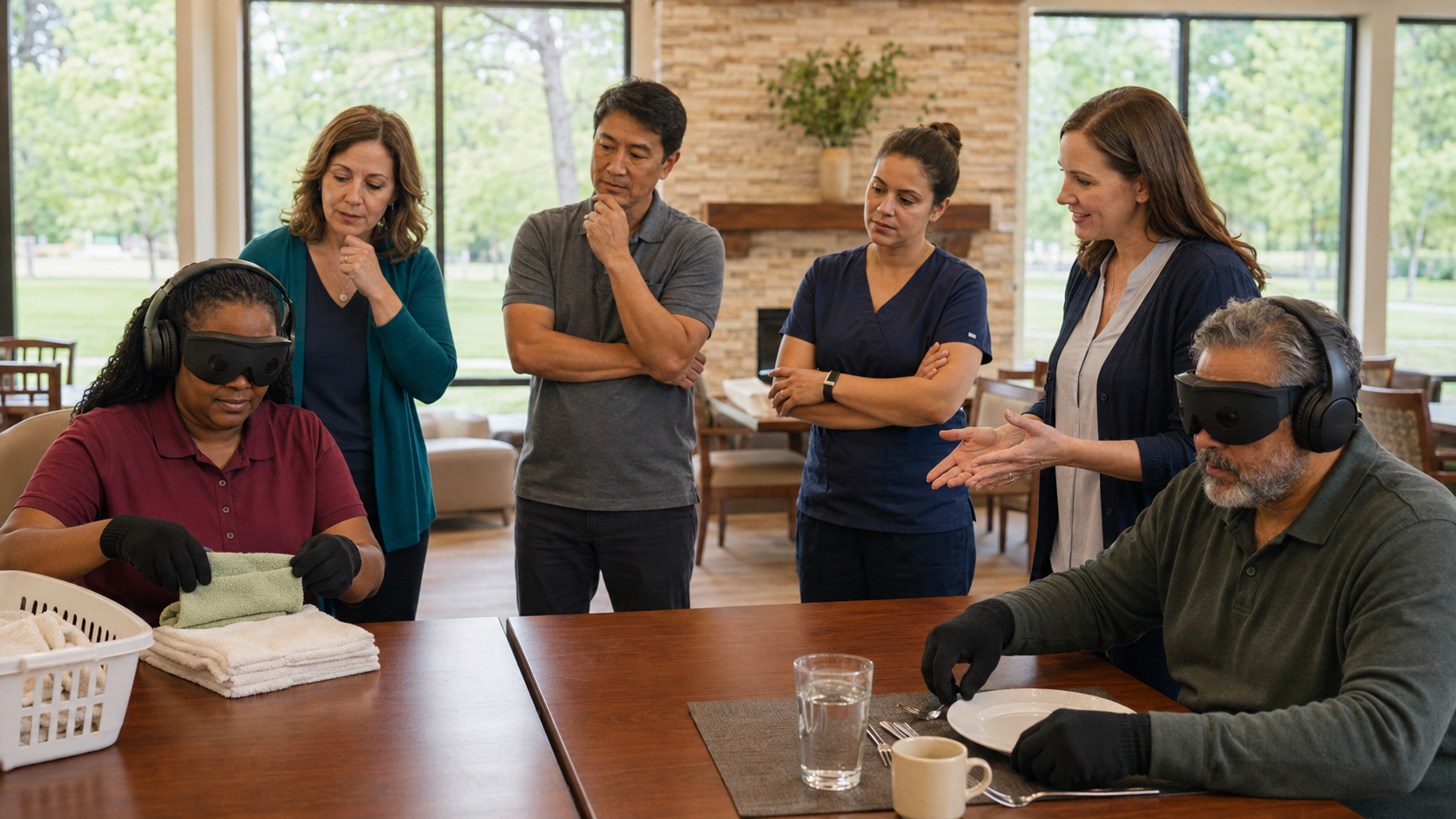

High school students engaging in Dementia Live Experience and Training

Our Brains Are Built for Experiential Learning

Our brains are wired to learn through experience. From childhood development to professional training, research consistently shows that people retain more, understand more deeply, and change behavior more effectively when they actively engage in learning rather than passively receive information.

Read More
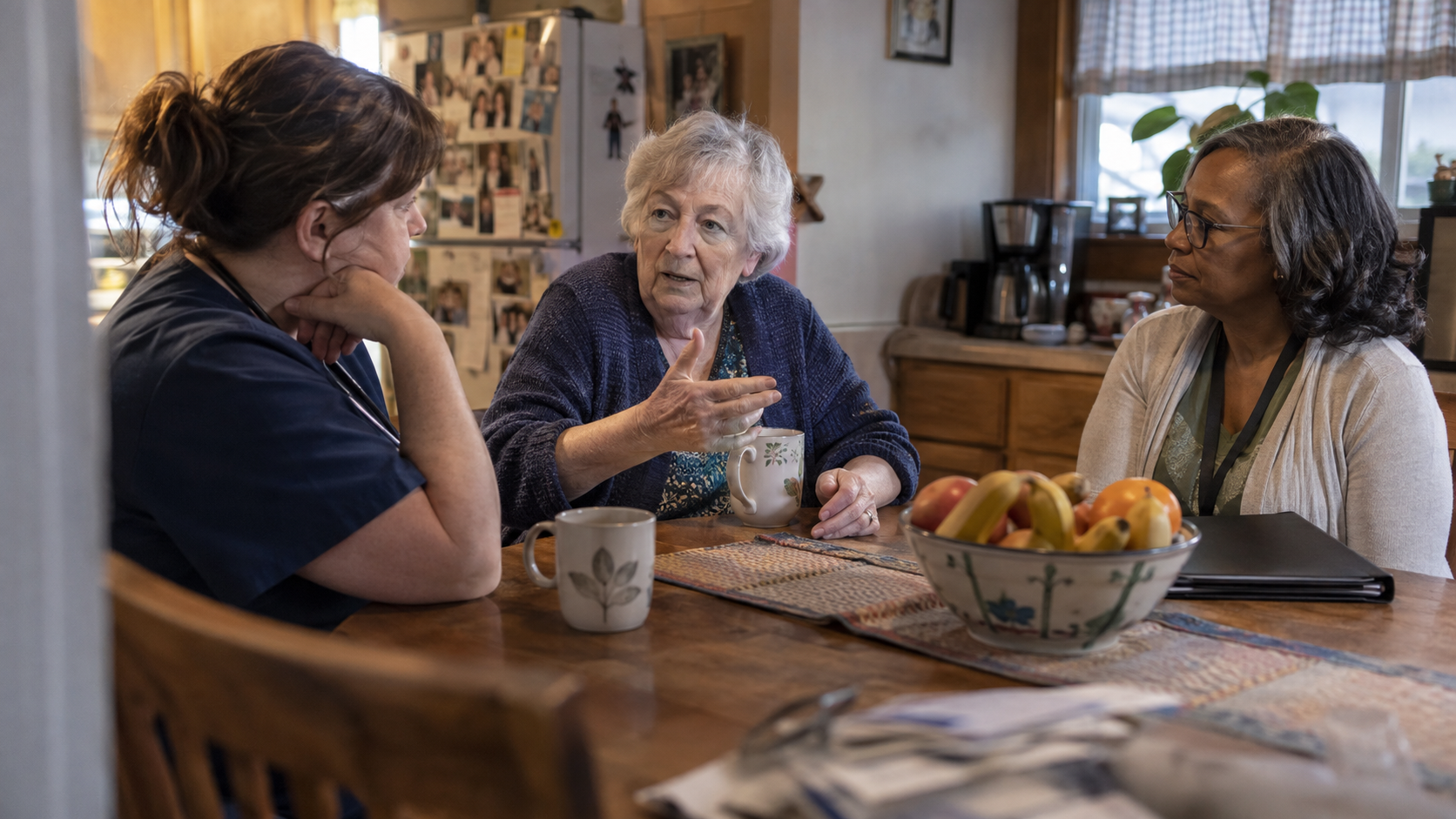
caregiver looking at photo album with older adult, offering comfort and reassurance

The Heart of Care: How Empathy Drives Better Clinical Outcomes

When it comes to senior living and dementia care, the difference between management and meaningful support often lies in a single, fundamental human element: empathy.

For years, clinical training focused almost exclusively on the mechanics of care—medication administration, hygiene protocols, and safety compliance. However, as the industry shifts toward person-centered models, we are discovering that empathy is not just a soft skill; it is a clinical powerhouse.

Read More

Building Empathy in Healthcare Through Dementia Simulation

Empathy is one of the most essential qualities in dementia care—yet it can also be one of the hardest to teach. While textbooks, lectures, and clinical guidelines can provide knowledge about Alzheimer’s disease and other forms of dementia, they often fall short of helping students truly understand what it feels like to live with cognitive impairment. For healthcare professionals who will one day care for individuals living with dementia, developing that deeper level of understanding is critical.

Read More
Facilitator guiding participants during a Dementia Live® experiential training, helping caregivers understand the sensory and cognitive challenges of living with dementia.

Why Dementia Education Is a Workforce Strategy — Not Just a Care Initiative

Senior living leaders today face a workforce landscape shaped by rising acuity, increasing dementia prevalence, and unprecedented staffing pressures. Dementia care is emotionally demanding, operationally complex, and deeply tied to staff retention. As the number of people living with dementia continues to grow, organizations that treat dementia education as a strategic workforce investment — not just a care initiative — are seeing measurable improvements in culture, confidence, and consistency. Dementia education is no longer optional. It is a workforce strategy that strengthens onboarding, reduces turnover, and builds a resilient, empathy-driven care culture.

Read More
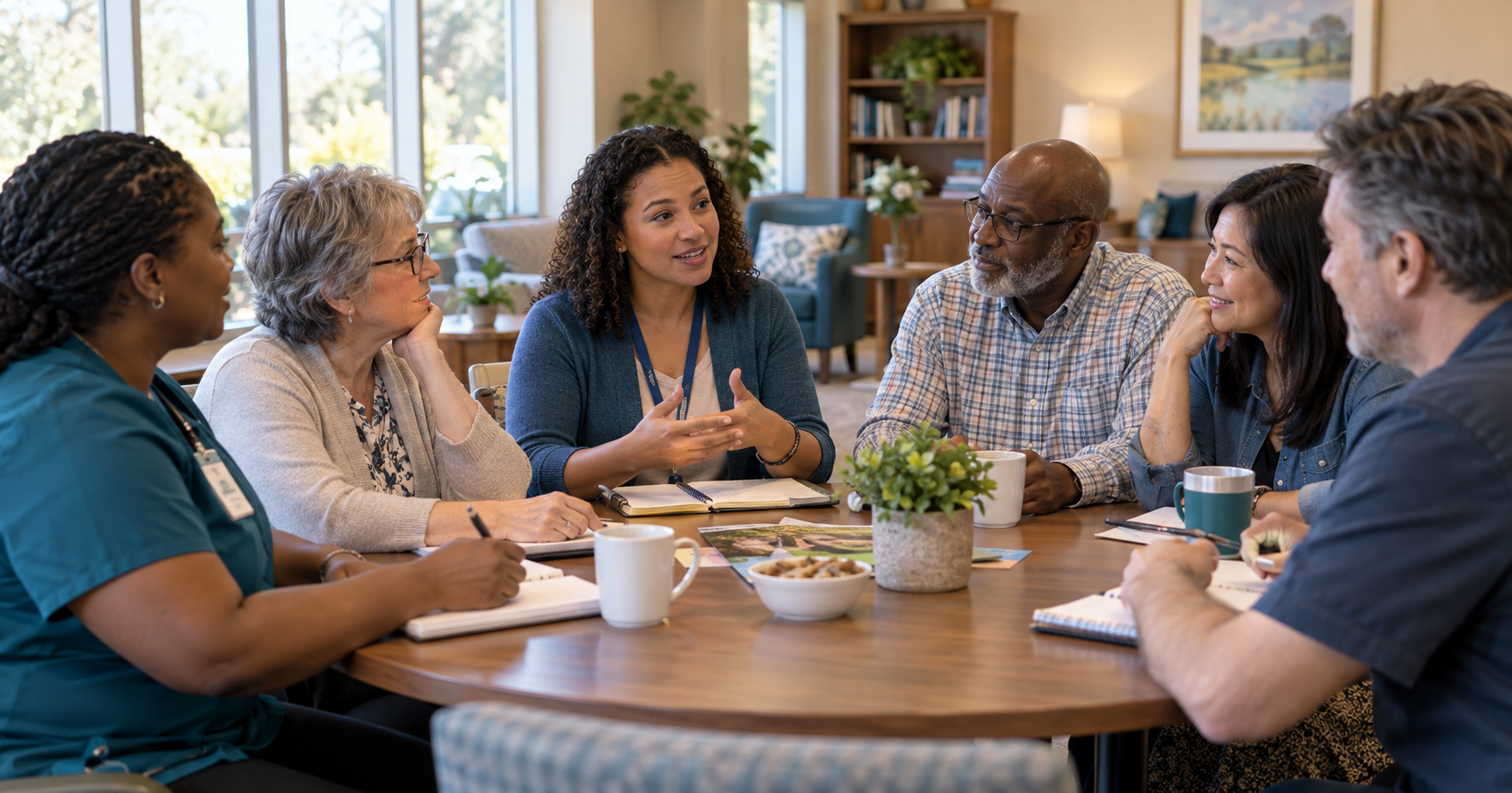
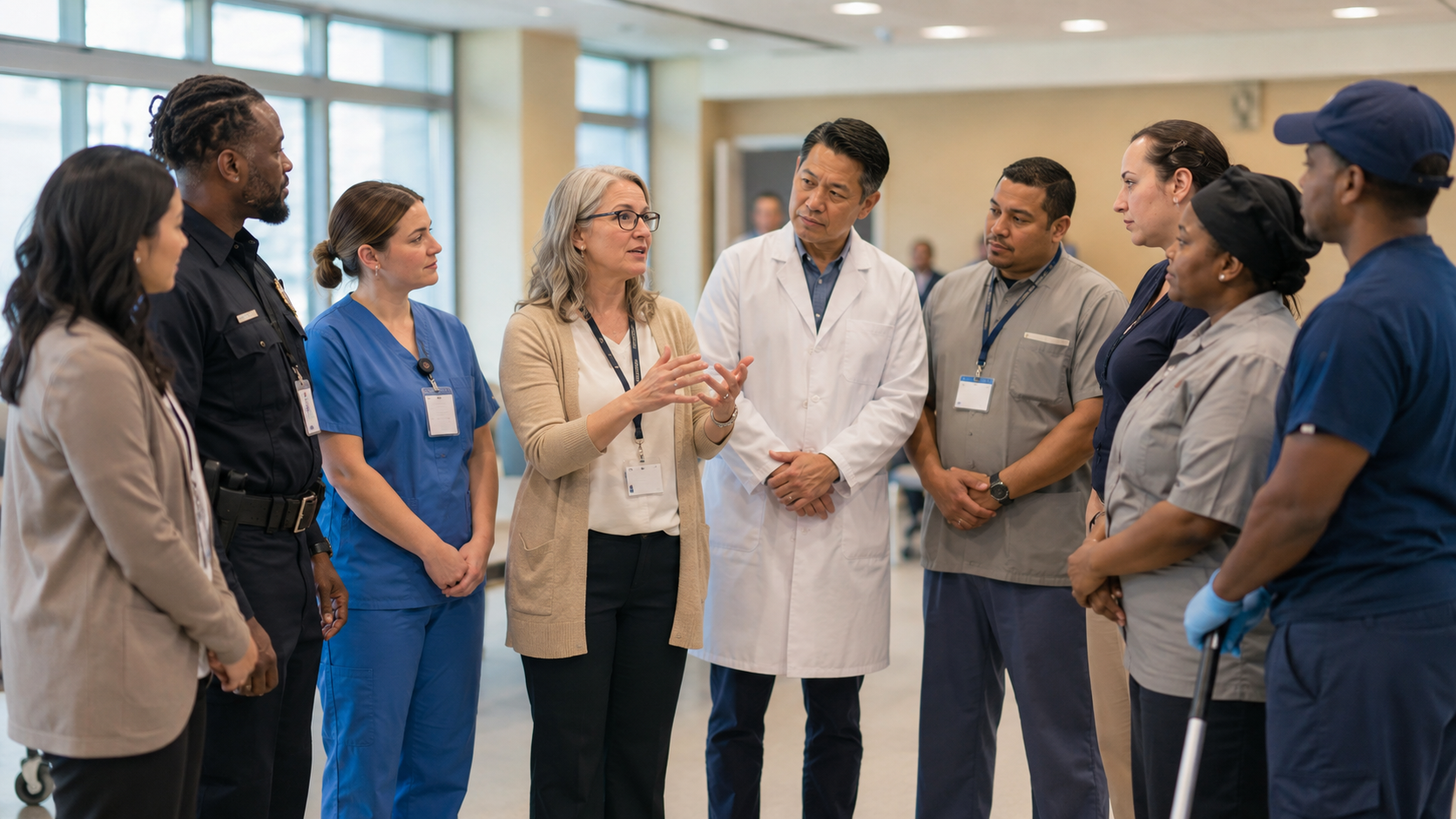
Diverse group of adults participating in a community dementia education session focused on understanding and empathy.

Dementia Live® as a Community Catalyst: Accelerating Awareness, Empathy, and Dementia‑Friendly Action

Dementia is no longer a challenge limited to memory care neighborhoods or clinical settings. It is a community‑wide issue—one that touches families, workplaces, faith communities, first responders, transportation systems, and local businesses. With more than 55 million people worldwide living with dementia and millions more providing care, communities need tools that move people from awareness to meaningful action.

Dementia Live is emerging as one of the most powerful catalysts for that shift.

Read More

Dementia Training: Essential for PACE Programs Facing 2026 Challenges

The Program of All-Inclusive Care for the Elderly (PACE) was designed to serve individuals with complex medical, functional, and social needs. As dementia prevalence continues to rise, PACE programs are increasingly caring for participants whose cognitive impairment impacts nearly every aspect of care delivery. 
 
As we approach 2026, PACE organizations face a convergence of challenges: 

Read More