
A Strategic Opportunity for Health Plans, Aging Service Providers, and Communities
Family caregivers provide an estimated $600 billion in unpaid care each year in the United States, making them one of the nation’s largest—and most essential—care workforces. Yet despite their enormous contribution, healthcare organizations often don’t meaningfully engage family caregivers until they are already navigating a crisis.
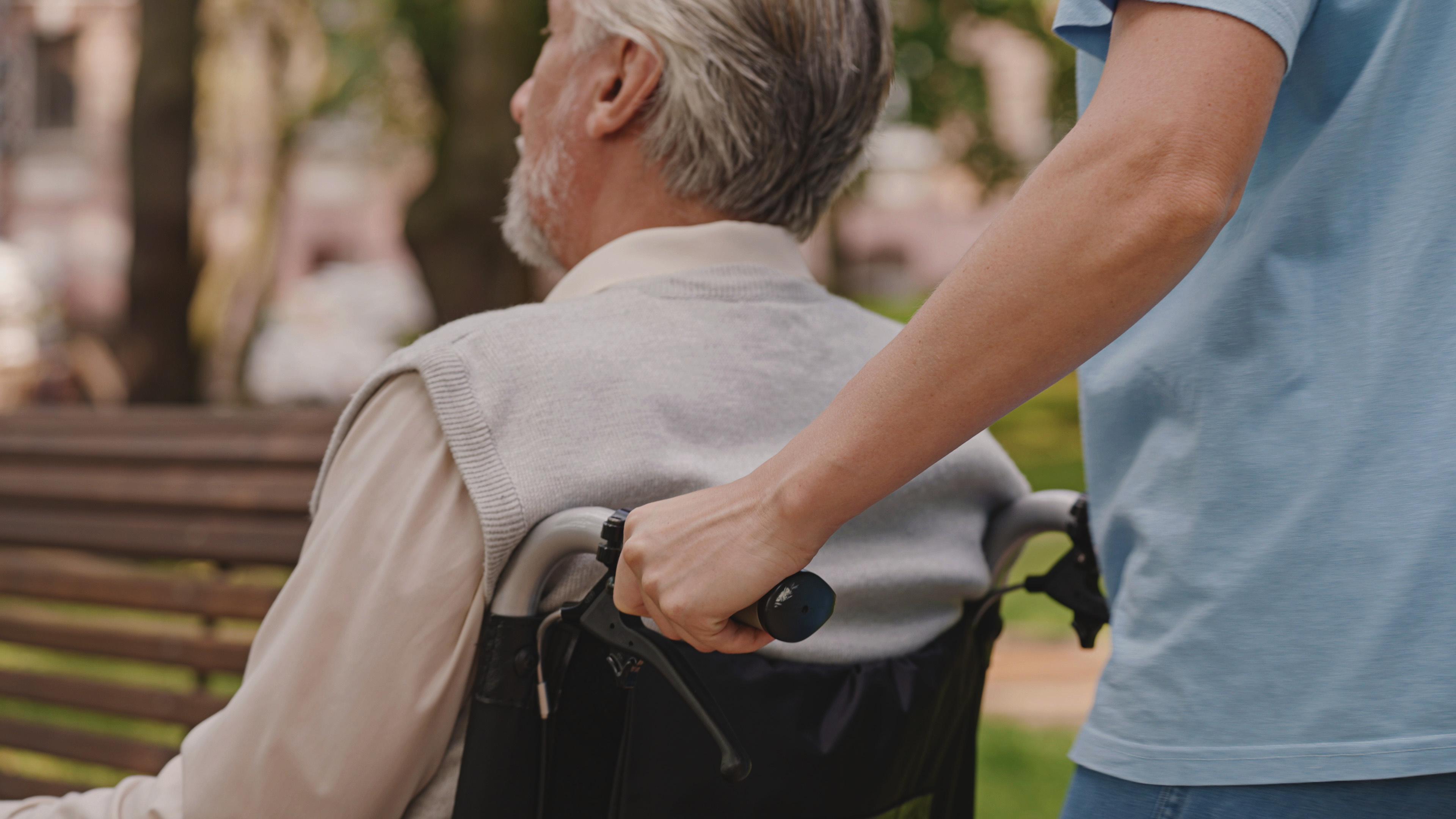
Every day, millions of spouses, adult children, neighbors, and friends coordinate medications, attend medical appointments, manage finances, monitor symptoms, provide transportation, advocate for loved ones, and make critical healthcare decisions. Most have never received formal training. Many don’t even identify themselves as caregivers—they simply believe they are helping someone they love.
Family caregivers are not simply care partners. They are an essential part of our healthcare workforce—and one of our greatest opportunities to improve health outcomes before crisis occurs.
As healthcare continues its shift toward value-based care, population health, and stronger community partnerships, one question deserves greater attention:
What if we intentionally prepared family caregivers long before they reached the breaking point?
The Caregiver Opportunity
According to AARP and the National Alliance for Caregiving, approximately 53 million Americans provide unpaid care to an adult family member or friend. Their responsibilities continue to expand as our population ages and the prevalence of chronic conditions such as dementia, Parkinson’s disease, stroke, heart failure, and other complex illnesses increases.
Family caregivers often become the constant presence throughout a person’s healthcare journey. They coordinate appointments, monitor symptoms, manage medications, communicate with clinicians, provide transportation, and make countless decisions that influence health outcomes every day.
Despite this reality, many caregivers receive little guidance until a hospitalization, emergency department visit, or life-changing diagnosis forces them into unfamiliar territory.
Healthcare has an opportunity to change that.
Organizations that engage caregivers earlier help families build confidence before complex decisions arise, strengthen communication across the care continuum, and prepare people for the realities of supporting someone with a chronic or progressive condition.
Waiting Until Crisis Is Too Late
Today’s healthcare system is exceptionally skilled at responding to illness. It is far less effective at preparing families before illness becomes overwhelming.
Too often, caregiver engagement begins after a crisis has already occurred. Families are expected to absorb complex medical information while coping with stress, uncertainty, and emotional fatigue. They are introduced to unfamiliar terminology, multiple providers, insurance requirements, medications, and community resources—all within a matter of days.
This reactive approach places unnecessary pressure on caregivers and healthcare professionals alike.
Imagine instead if caregivers had access to meaningful education, practical tools, and trusted guidance months—or even years—before reaching that point.
Rather than reacting to crisis, healthcare organizations would be helping families build knowledge, resilience, and confidence throughout the caregiving journey.
Healthcare’s next competitive advantage won’t come solely from better clinical care. It will come from better preparing and engaging family caregivers before crisis occurs.
Early Engagement Benefits Everyone
Supporting caregivers earlier is not simply a compassionate approach—it is a strategic one.
Research consistently shows that informed caregivers are better equipped to recognize changes in health, communicate effectively with healthcare professionals, manage medications, and navigate increasingly complex systems of care. Earlier education also helps reduce caregiver stress while increasing confidence in day-to-day decision making.
For health plans, earlier caregiver engagement supports member experience, preventive care, and value-based care initiatives.
For hospitals and health systems, it strengthens discharge planning, communication, and continuity of care.
For senior living providers, home care agencies, hospice organizations, and community-based organizations, it builds trust with families long before services become necessary.
Across every sector of healthcare, the principle remains the same:
Preparing caregivers earlier helps organizations deliver better care later.
Meeting Caregivers Before They Ask for Help
One of the greatest challenges is that many caregivers never actively seek support.
They are balancing careers, raising children, volunteering, attending church, caring for aging parents, and managing countless responsibilities. Many don’t attend caregiver support groups because they don’t yet recognize themselves as caregivers.
That means healthcare cannot rely solely on clinical settings to reach them.
Meaningful engagement happens where people already live, work, worship, learn, volunteer, and receive care. Trusted community settings—including employers, libraries, faith communities, senior centers, educational programs, and local organizations—provide opportunities to introduce practical education before caregivers reach a point of crisis.
Early engagement is not about providing more information.
It is about providing the right information at the right time.
Education Builds Confidence
Knowledge alone does not always change behavior.
People remember experiences.
Educational approaches that combine practical learning with real-world application help caregivers better understand complex health conditions, improve communication, and develop greater confidence in supporting those they love.
When caregivers understand what to expect, they are better prepared to partner with healthcare professionals, ask informed questions, recognize changes in health status, and navigate available resources.
Confidence benefits everyone.
Families feel more prepared.
Healthcare professionals spend less time responding to preventable confusion.
Organizations build stronger relationships with the people who influence care every day.
Looking Ahead
America’s aging population will continue to reshape healthcare for decades to come. At the same time, family caregivers will remain the largest and most influential care workforce in the country.
The question is no longer whether caregivers matter.
The question is whether healthcare organizations will intentionally engage and prepare them early enough to make a meaningful difference.
Organizations that invest in caregiver education today are strengthening communication, improving care experiences, building trust within their communities, and helping families navigate aging with greater confidence.
The future of healthcare depends not only on treating disease, but on preparing the people who provide the majority of care every day. Organizations that recognize and engage family caregivers earlier will be better positioned to improve outcomes, strengthen communities, and shape the future of healthy aging.
AGE-u-cate Insights is a thought leadership series exploring ideas, innovations and partnerships shaping the future of caregiver engagement, workforce development and healthy aging communities.