
Why Dementia Training Belongs at the Heart of the PACE Model
How experiential education and practical care skills can strengthen dementia capability across the PACE interdisciplinary team
Posts about:
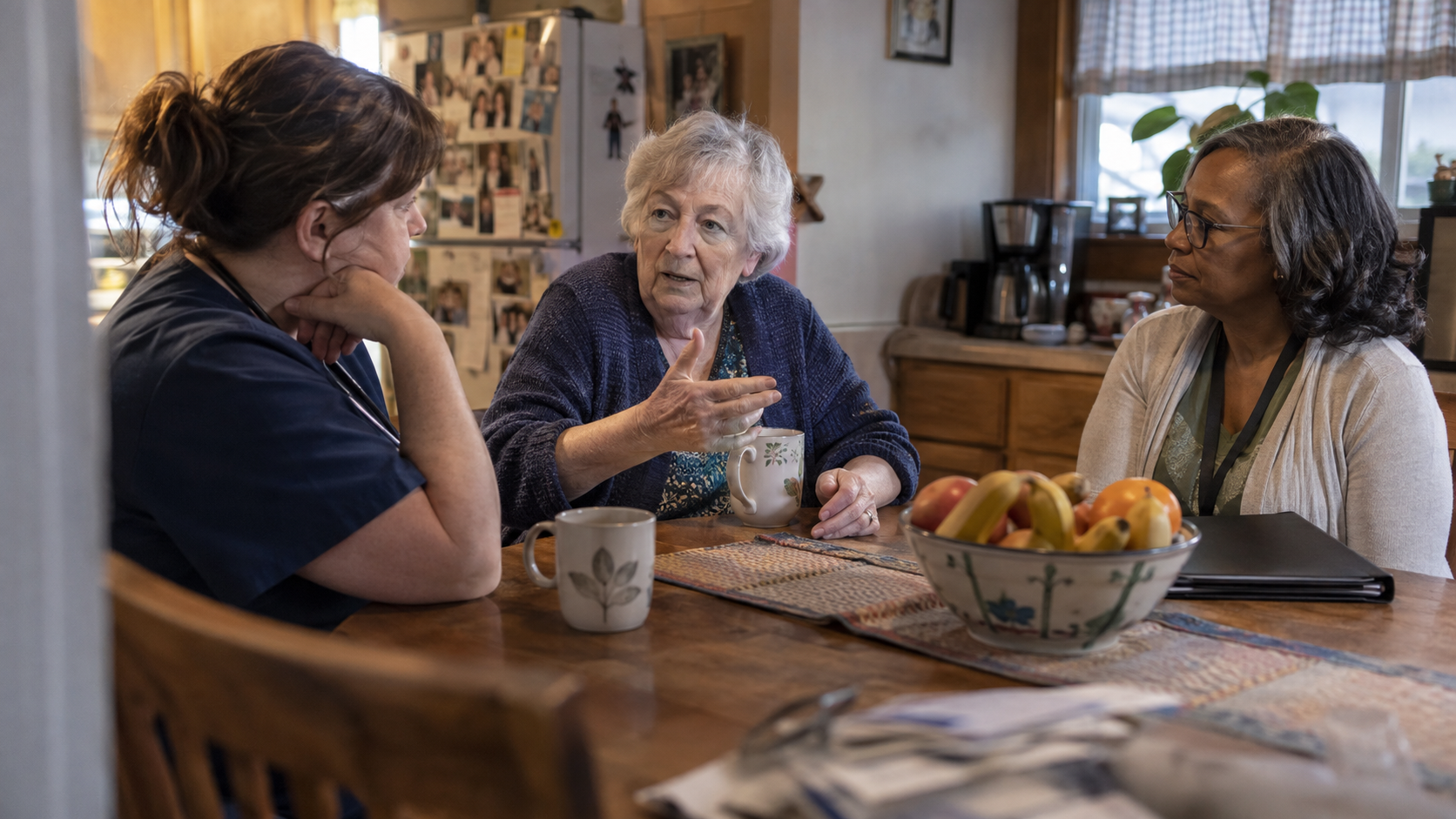
How experiential education and practical care skills can strengthen dementia capability across the PACE interdisciplinary team
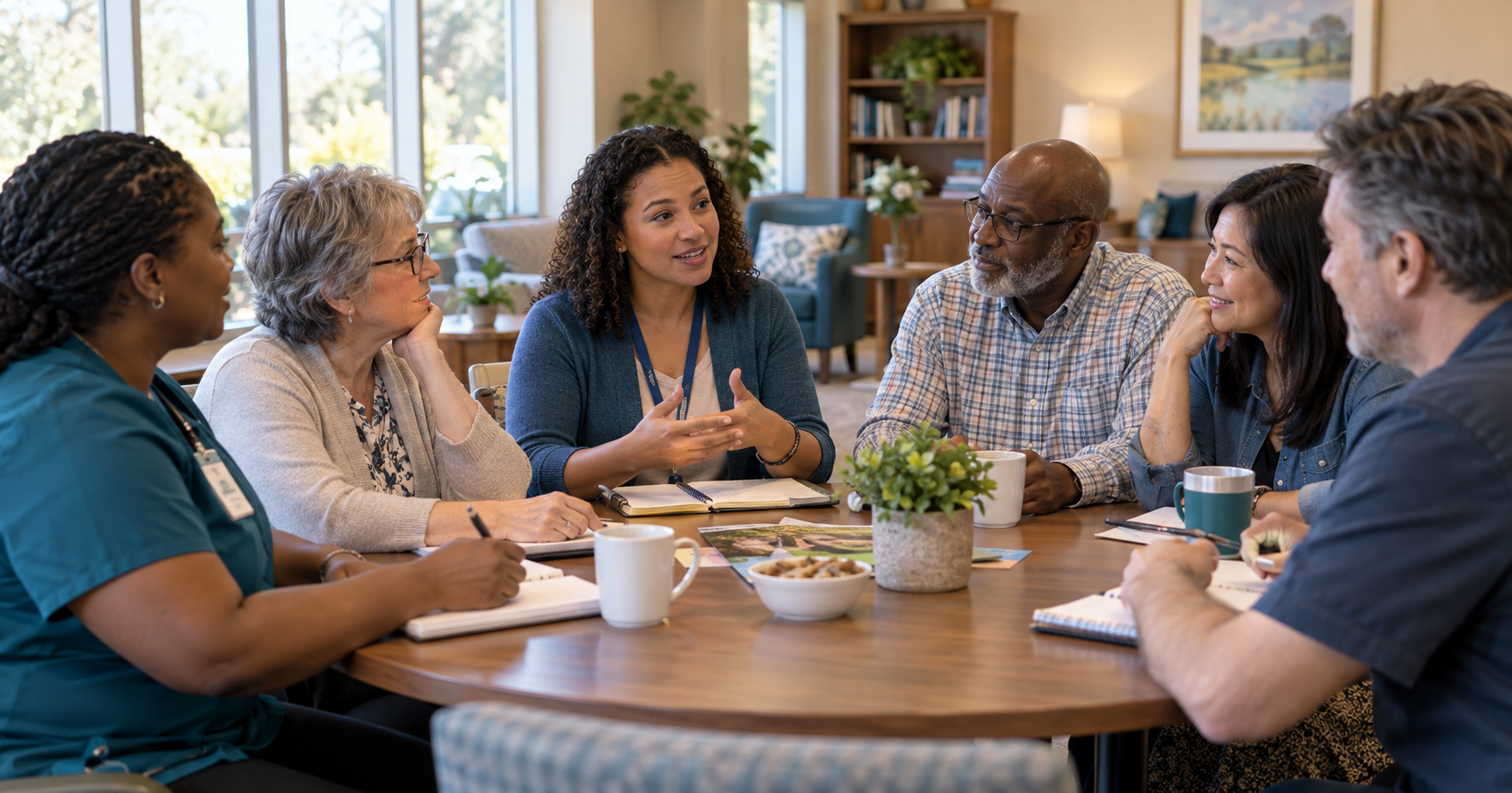
Is dementia care really suffering from a lack of innovation, or are we struggling to implement what we already know?
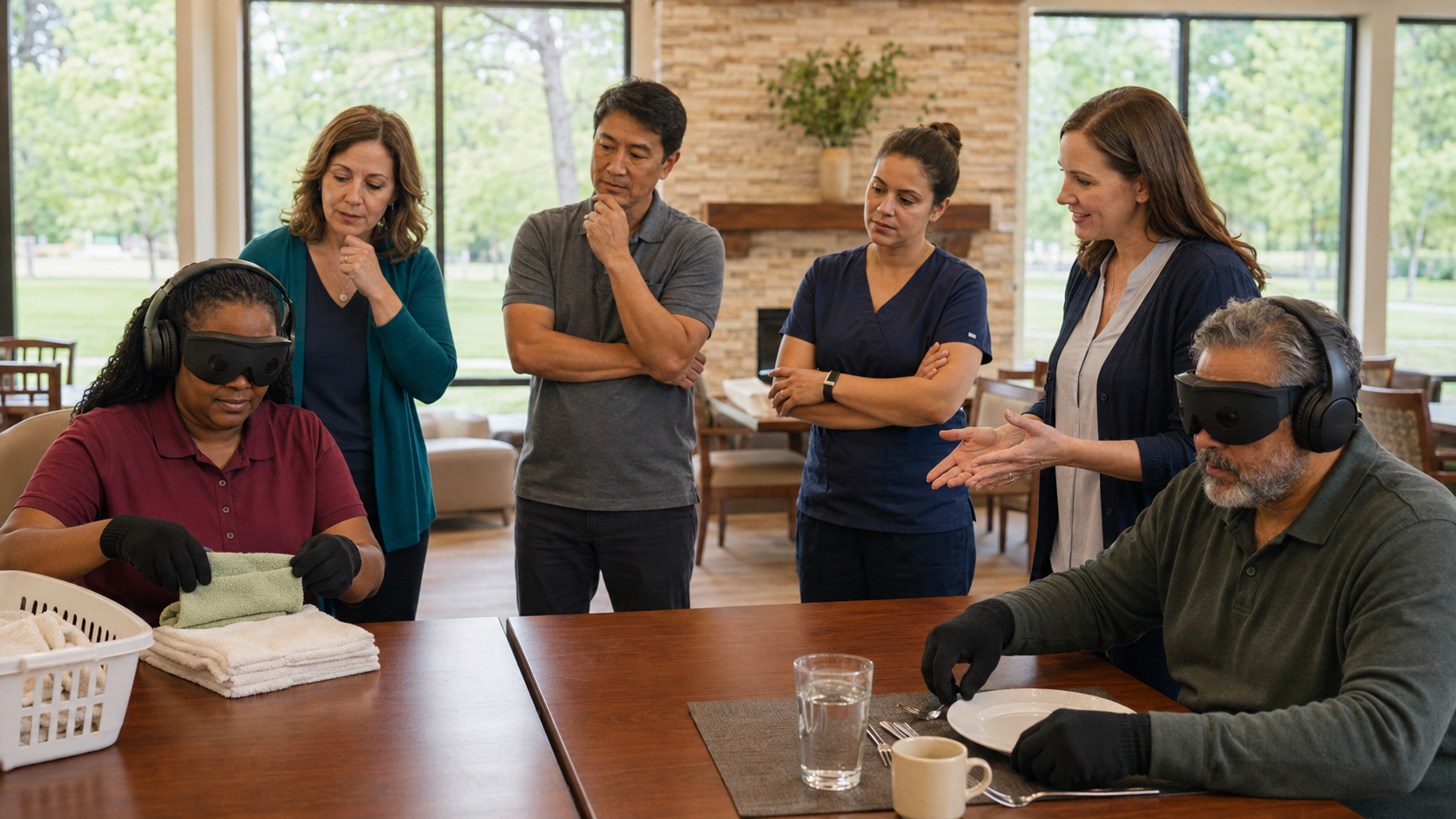
What changes when a caregiver moves beyond learning about dementia and begins to understand what living with cognitive change might feel like?
As CMS prepares the field for the Hospice Outcomes & Patient Evaluation (HOPE), hospice organizations nationwide are re-examining how they deliver, document, and demonstrate quality. HOPE — a comprehensive assessment and quality framework designed to replace the Hospice Item Set (HIS) — elevates key domains of care that lie at the heart of hospice philosophy. These include pain management, symptom (and behavioral) management, and psychosocial and spiritual needs.
Learn more from CMS here.
I am humbled and honored to work with such amazing and talented people. As a trainer, I believe we learn as much from those we are training as they learn from us. We are all practicing when it comes to dementia care. Every day is a new day and no matter where we fit into the spectrum, we all need each other to learn and grow. Let's talk about person-centered care practices.