
Is Your Dementia Care Training Engaging Enough to Actually Be Memorable?
Think about the last training experience that stayed with you.
Posts about:
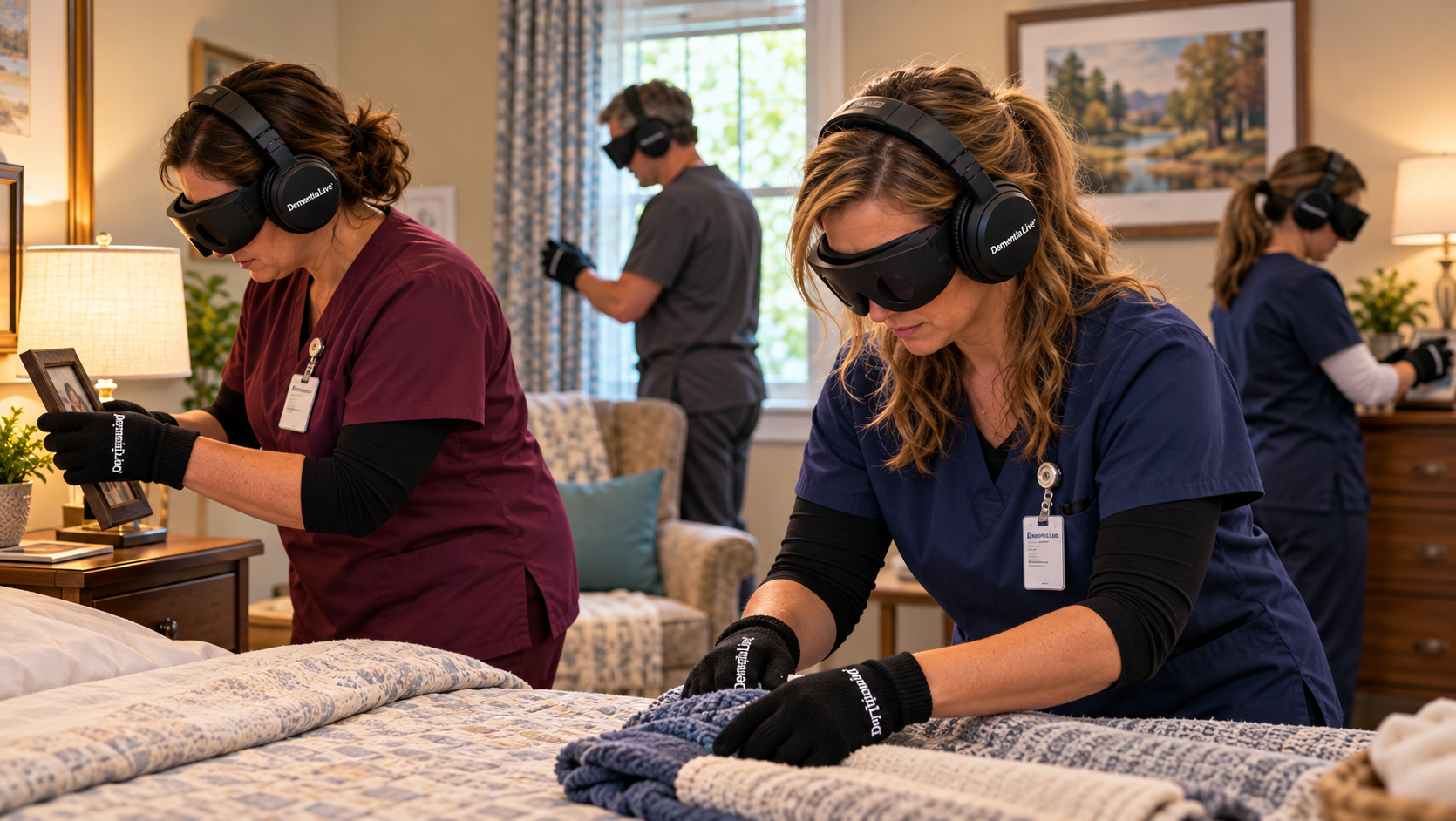
Think about the last training experience that stayed with you.
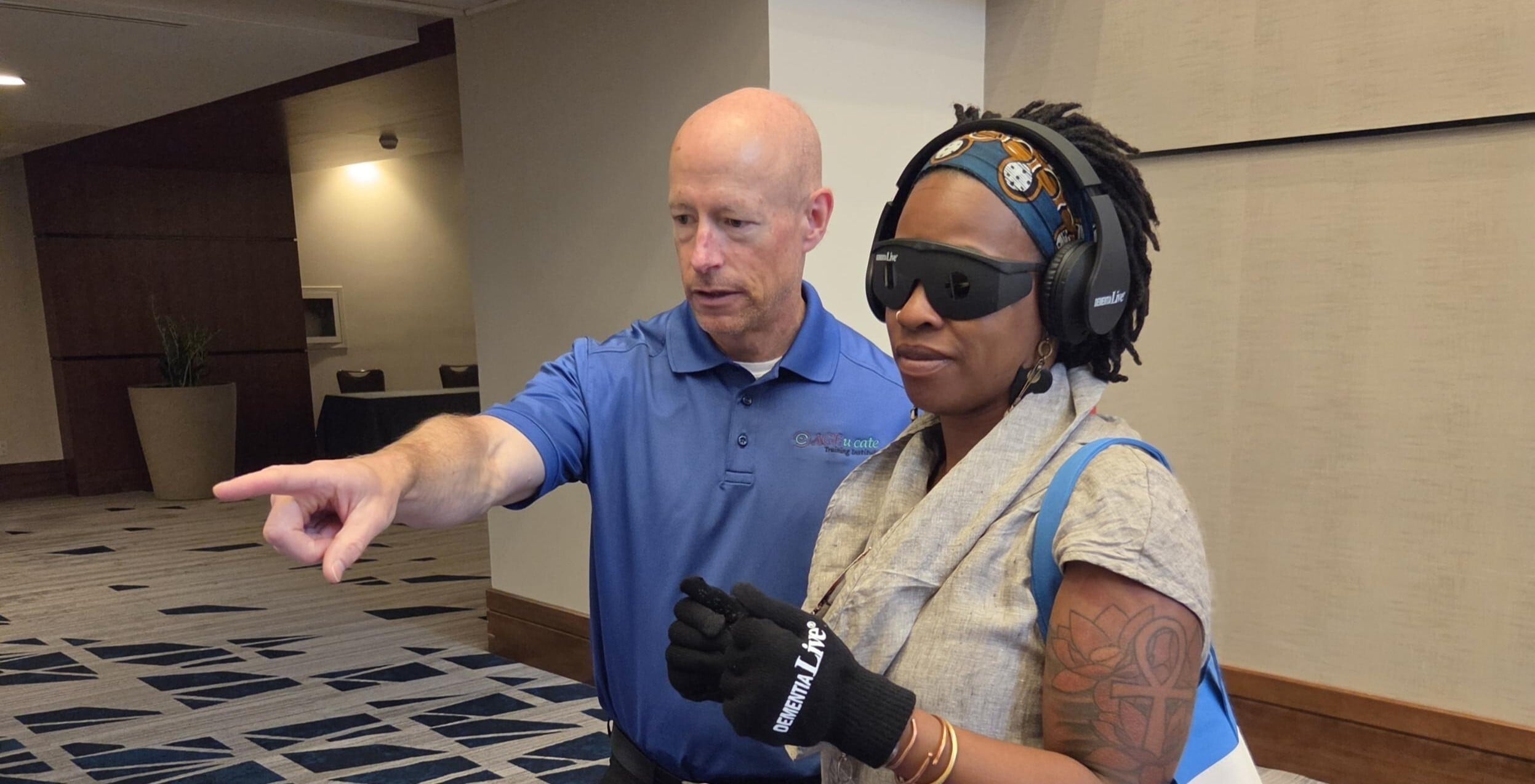
We were honored to participate in the 2026 Florida Council on Aging Conference this week, joining hundreds of leaders who are working every day to improve the lives of older adults, strengthen communities, and support family caregivers. Throughout the conference, one message rose above every conversation: no single organization can meet the growing needs of our aging population alone. Health plans, aging service providers, public health agencies, community-based organizations, and local leaders all have an important role to play. The future of healthy aging depends on how well we work together.

While much of healthcare’s attention remains focused on artificial intelligence, workforce shortages, and hospital capacity, another transformation is quietly reshaping the future of aging services.

In dementia care, love is not a sentiment. It’s not a holiday, a greeting card, or a poetic idea. Love is a verb—expressed through patience, presence, and the everyday choices caregivers make to honor the humanity of someone living with cognitive change.
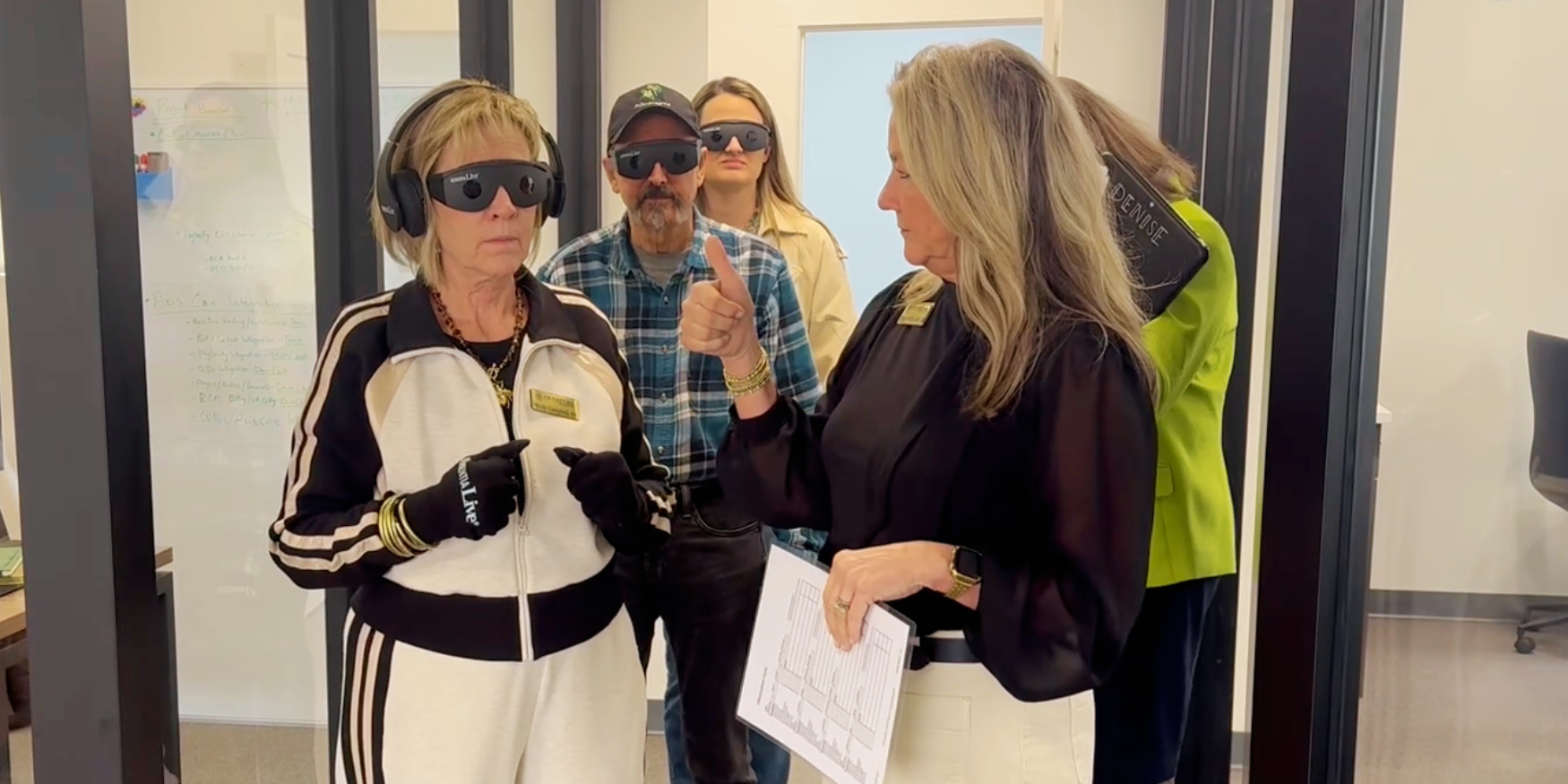
Senior living leaders today face a workforce landscape shaped by rising acuity, increasing dementia prevalence, and unprecedented staffing pressures. Dementia care is emotionally demanding, operationally complex, and deeply tied to staff retention. As the number of people living with dementia continues to grow, organizations that treat dementia education as a strategic workforce investment — not just a care initiative — are seeing measurable improvements in culture, confidence, and consistency. Dementia education is no longer optional. It is a workforce strategy that strengthens onboarding, reduces turnover, and builds a resilient, empathy-driven care culture.

Dementia is no longer a challenge limited to memory care neighborhoods or clinical settings. It is a community‑wide issue—one that touches families, workplaces, faith communities, first responders, transportation systems, and local businesses. With more than 55 million people worldwide living with dementia and millions more providing care, communities need tools that move people from awareness to meaningful action.
Dementia Live is emerging as one of the most powerful catalysts for that shift.

The newly released Caregiving in the U.S. 2025 report from AARP and the National Alliance for Caregiving paints a clear and sobering picture: 63 million Americans—nearly 1 in 4 adults—are now providing care to someone with a serious health condition or disability. This represents a 45% increase since 2015 and reflects a caregiving landscape that is larger, more diverse, and more complex than at any time in our nation’s history.