The Beautiful Harmony of Caring and Compassion for Elders
We all like to think that have compassion for others don't we? After all, we give care, so we must have empathy. Is there a difference between caring and true compassion?
Posts about:
We all like to think that have compassion for others don't we? After all, we give care, so we must have empathy. Is there a difference between caring and true compassion?
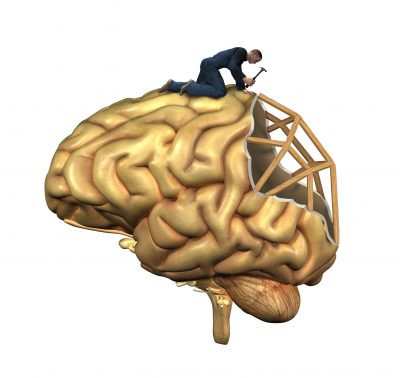
(Society for Neuroscience) The discovery that the human brain can produce new cells in adulthood offers just one example of how adaptable the brain is throughout life. With this knowledge, researchers are investigating how normal aging as well as neurodegenerative diseases like Alzheimer’s disease affect that adaptability, and how we can maintain healthy brain function as our brains age. So what is neuroplasticity?
Responding to challenging behavior for people living with dementia is often the greatest triggers of stress, helplessness and frustration for professional and family caregivers. Learning to be an effective dementia care detective incorporates knowledge of behavioral expression and having effective tools to respond, reassure and comfort.
Time is precious. Staff is in short supply. Family caregivers are stretched to the limit. Just taking care of the basic needs is hard enough, so five minutes a day seems - IMPOSSIBLE!
Neurological research substantiates that human beings appear to be "wired" to be empathetic. In other words, we all have an innate ability to be empathetic. Would empathy training in dementia care provide a strong foundation tool for front line staff to help improve the quality of life for those living with dementia?
The number of older adults with dementia is forecast to more than double in the next 40 years. Training people to care for these individuals - both professionals and families is paramount in improving the quality of life for the caregiver as well as the care receiver. Is it time to get back to basics in our approach to education and training?
Losing sleep, poor eating habits, irritability or short tempered - these symptoms may start small and snowball quickly into what is referred to as caregiver burnout. Professionals and families need to know what to look for and how to help caregivers. It's a serious matter and growing, as more families are caring for their loved ones at home with little or no help.