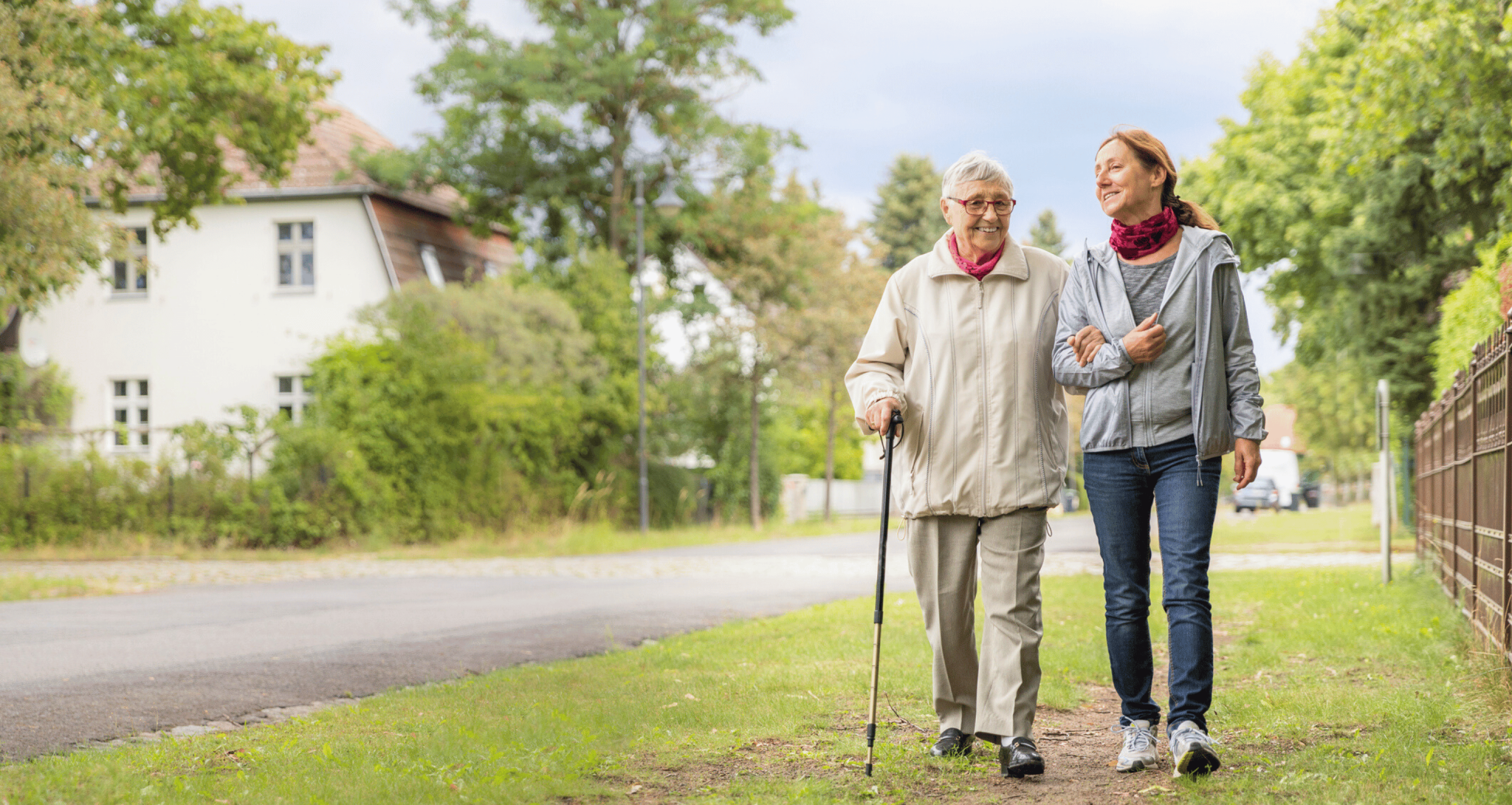
The Business Case for Investing in Family Caregiver Engagement
Why America’s Largest Invisible Care Workforce Is Healthcare’s Most Overlooked Strategic Asset
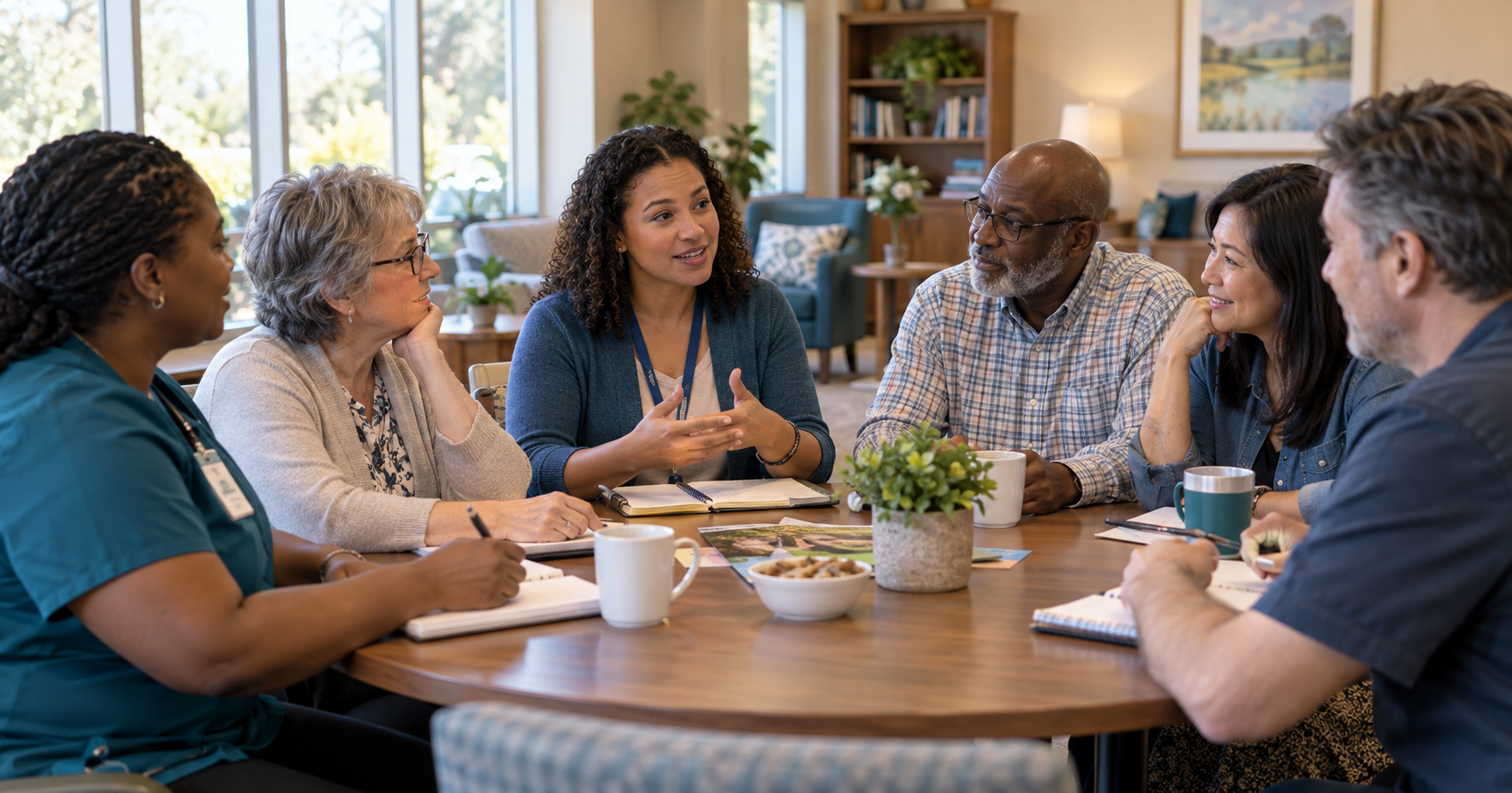
We were honored to participate in the 2026 Florida Council on Aging Conference this week, joining hundreds of leaders who are working every day to improve the lives of older adults, strengthen communities, and support family caregivers. Throughout the conference, one message rose above every conversation: no single organization can meet the growing needs of our aging population alone. Health plans, aging service providers, public health agencies, community-based organizations, and local leaders all have an important role to play. The future of healthy aging depends on how well we work together.
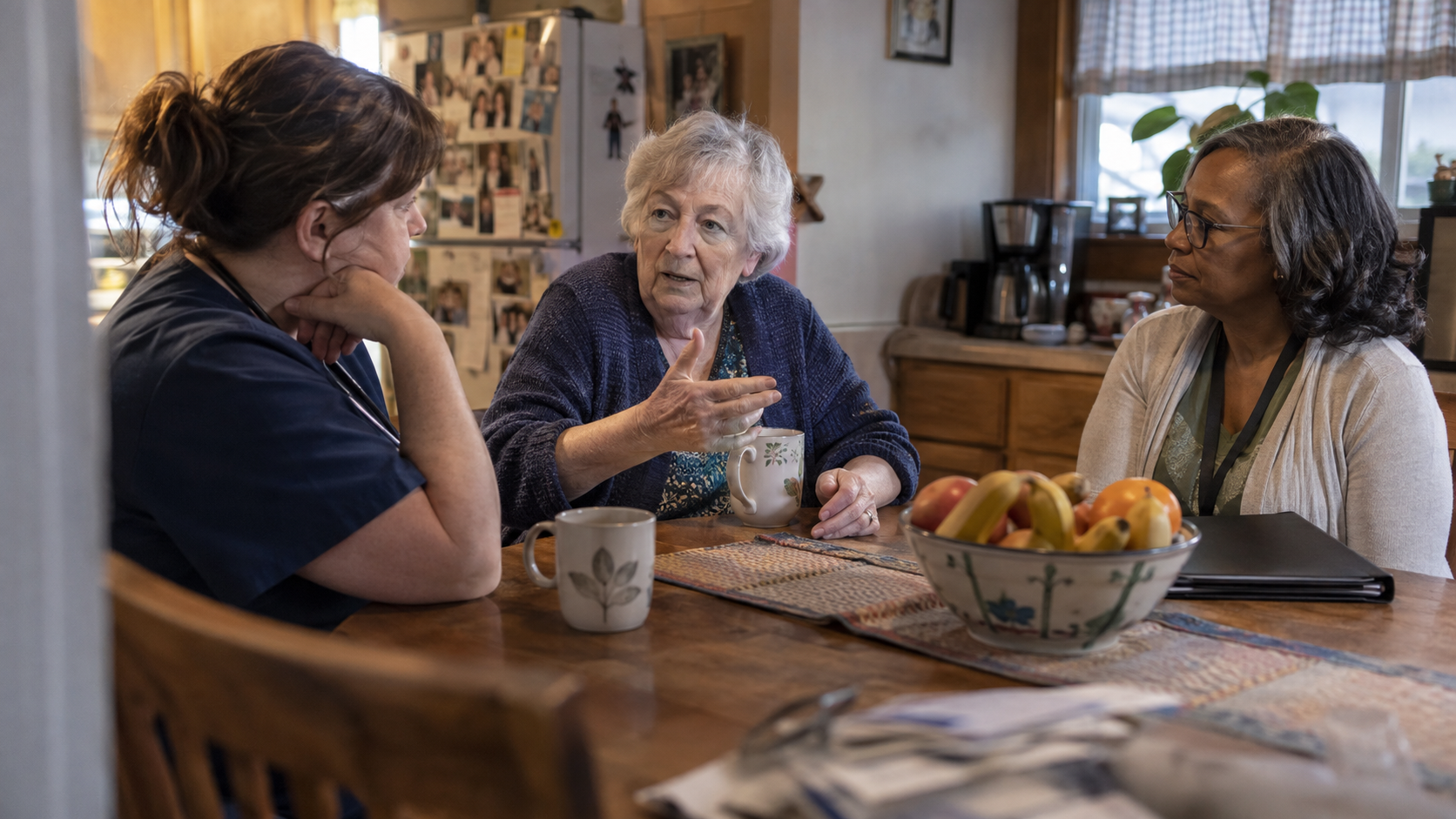
Dementia is not managed only in physicians’ offices, hospitals or memory care communities. Most dementia care happens in homes and neighborhoods—supported by family members who may have little preparation for the complex responsibilities they have assumed.
A Strategic Opportunity for Health Plans, Aging Service Providers, and Communities
Family caregivers provide an estimated$600 billion in unpaid care each year in the United States, making them one of the nation’s largest—and most essential—care workforces. Yet despite their enormous contribution, healthcare organizations often don’t meaningfully engage family caregivers until they are already navigating a crisis.
While much of healthcare’s attention remains focused on artificial intelligence, workforce shortages, and hospital capacity, another transformation is quietly reshaping the future of aging services.
Home Care, Hospice, Senior Living, and Healthcare Organizations Are Discovering a New Path to Growth
The New Referral Strategy for Aging Service Providers
For decades, aging service providers have relied on a familiar referral strategy. Marketing teams scheduled lunches with referral sources, distributed brochures, and attended networking events. Relationship-building remains important, but today's families, healthcare professionals, and communities are seeking trusted guidance and expertise.
Education is becoming the new referral currency
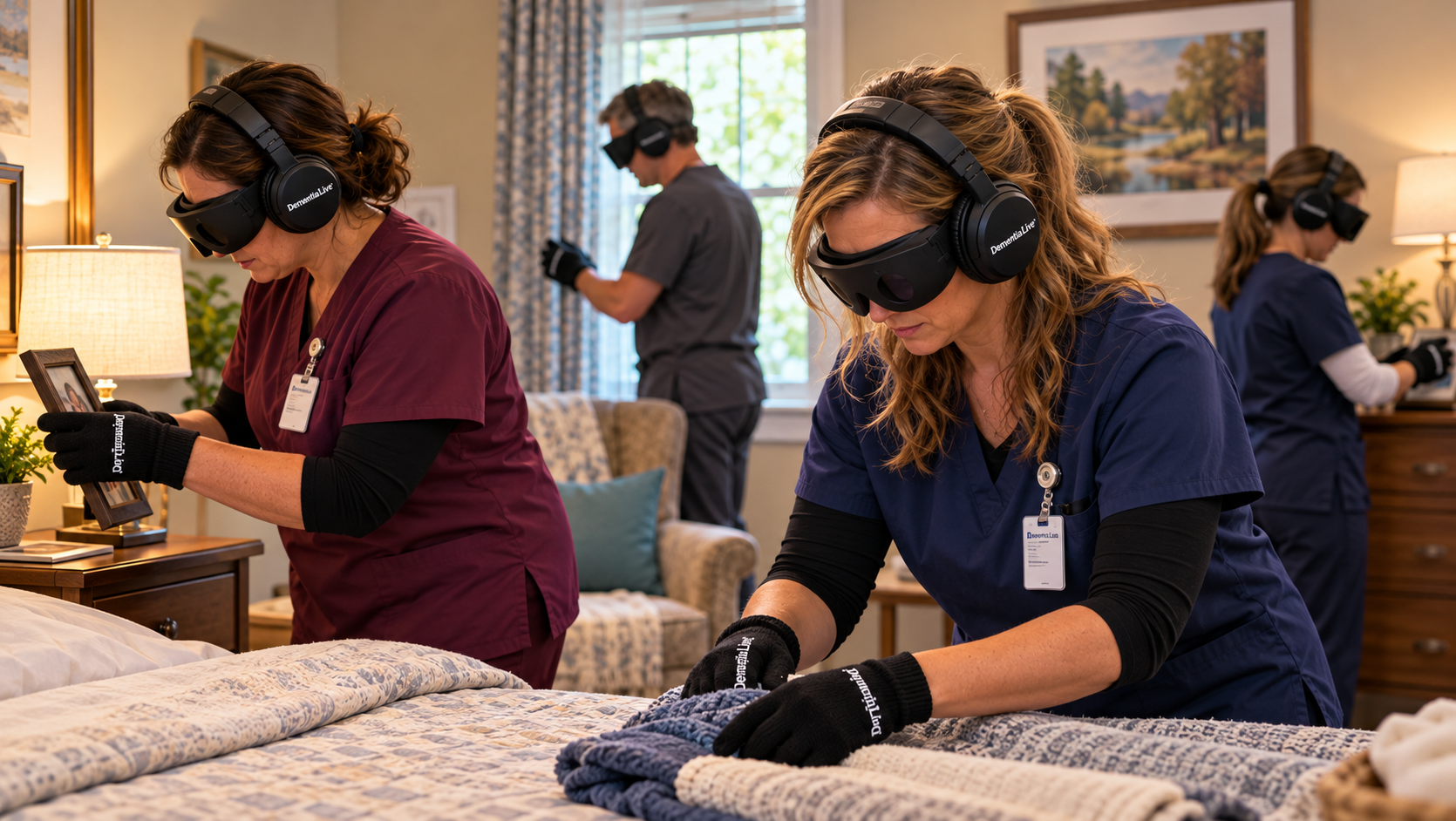
Organizations that invest in dementia education, caregiver support, and community engagement are positioning themselves as trusted resources long before a family reaches a crisis point. The result is stronger visibility, greater community trust, deeper professional partnerships, and more sustainable referral growth.
Dementia Is No Longer a Niche Healthcare Issue
Dementia is one of the fastest-growing public health challenges facing our nation. It impacts not only the individual living with dementia, but also family caregivers, healthcare systems, employers, faith communities, first responders, and community organizations.
Families often find themselves navigating a fragmented system of care while trying to understand symptoms, access resources, manage stress, and make difficult decisions. This creates a tremendous opportunity for organizations willing to step into an educational leadership role.
Families Are Choosing Expertise Over Advertising
When families begin searching for support, they are often asking:
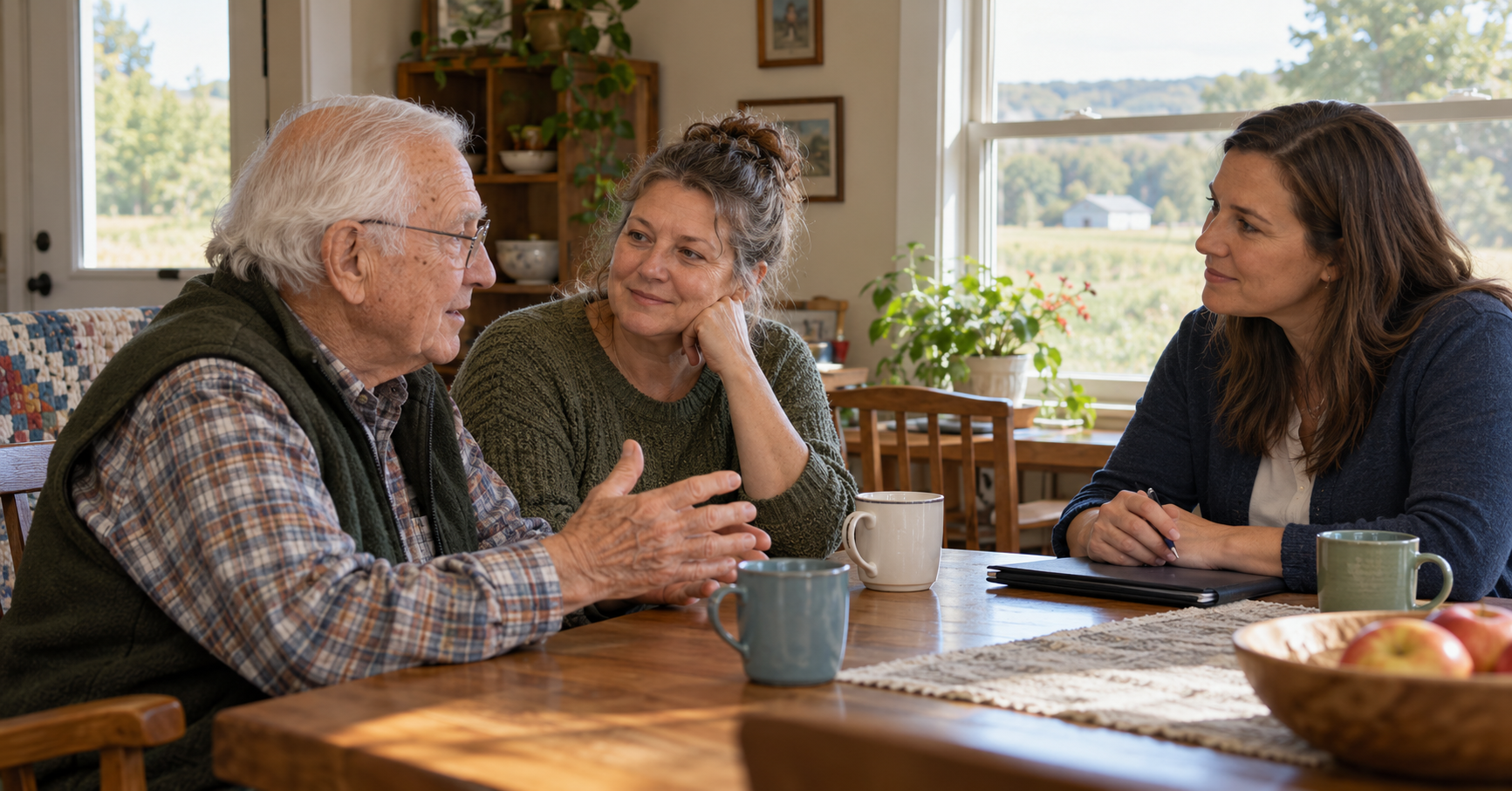
Family caregivers are the backbone of dementia care in the United States. They coordinate appointments, manage medications, navigate healthcare systems, provide emotional support, and often serve as the primary advocate for a loved one living with dementia. Yet despite their critical role, millions of caregivers remain disconnected from the education, resources, and support systems that could help them succeed.