The Purpose
Dementia Live® serves a pivotal role in tackling the challenges encountered by individuals living with dementia and their care partners. With a dedicated emphasis on fostering education and awareness, particularly within rural communities in North Central Texas, this initiative strives to bridge knowledge gaps and enhance understanding. Through integration of the Dementia Live program in harmony with the Texas state plan for Alzheimer's Disease, our goal is to systematically cultivate a nurturing and informed atmosphere in rural areas. This program seeks to propel a collective effort toward a more compassionate and skilled community aligning with the state of Texas plan.
The Summary
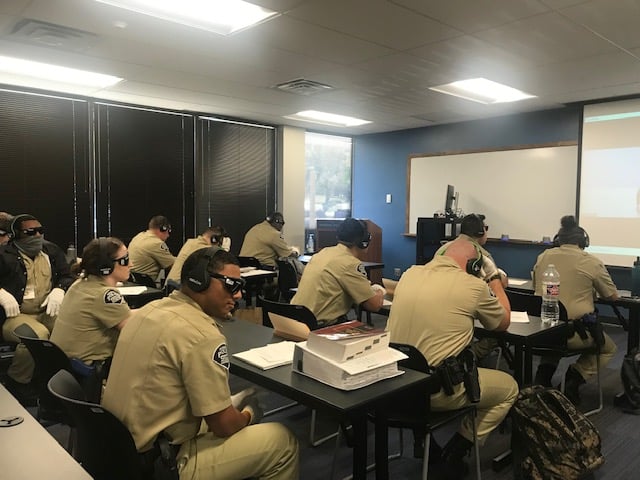
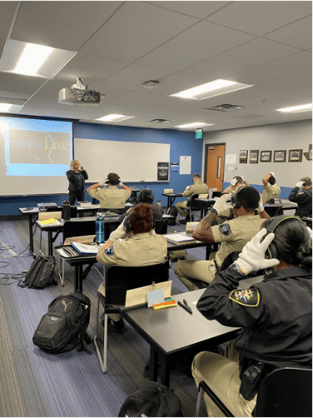
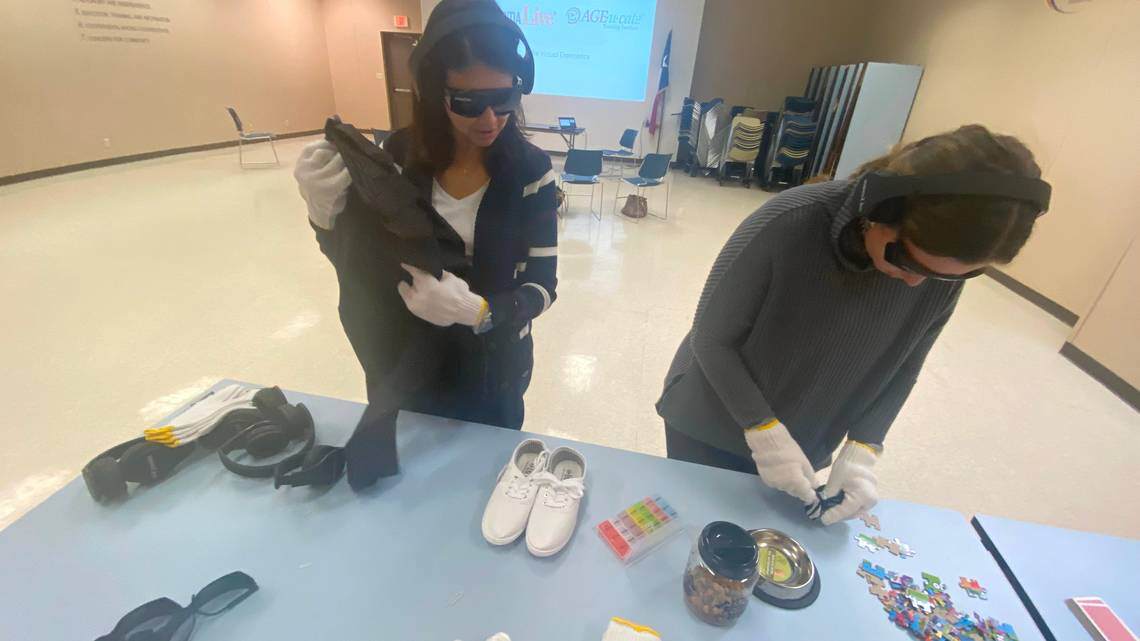
The Dementia Live program stands as an immersive educational initiative meticulously crafted to deepen participants' insight into the daily realities of living with dementia. Employing simulation and sensory experiences, the program skillfully transports participants into the multifaceted challenges faced by individuals with Alzheimer's disease and various forms of dementia. Its core objectives include fostering empathy, raising awareness, and instilling a commitment to person-centered care, extending its impact to caregivers, health care professionals, and the broader community.
A pivotal aspect of Dementia Live's success lies in its commitment to sustainability. The program extends its influence by conducting trainthe-trainer sessions, empowering leaders in rural areas to perpetuate dementia training within their local communities. This approach ensures an enduring framework for providing support and care to individuals living with dementia and their care partners.
Despite the challenge of in-person engagement limitations, the Dementia Live program has demonstrated adaptability. Recognizing obstacles such as scheduling conflicts, transportation limitations, and individual preferences for social connections, the program pivoted to include virtual platforms in addition to in-person sessions. This solution has enabled participants to seamlessly join sessions from remote locations or the comfort of their homes, ensuring accessibility without compromising the program's impact.
Break up these sections with testimonial quotes or other highlights that reinforce your case study narrative.
Examples of Implementation
Here are refined examples of program implementation:
- Home-delivered meal staff and volunteers Conducted both live and virtual Dementia Live training. Adapted the program to incorporate warning signs that staff and volunteers may observe, such as uneaten meals and stacks of unpaid bills. Enhanced the training with local resource information for better support.
- Local intellectual and disability authority staff Successfully executed virtual training sessions. Tailored the training to address the unique ways dementia may manifest among individuals with intellectual and developmental disabilities. Provided additional resource information to enhance staff capabilities.
- Area agencies on aging (AAAs) Delivered comprehensive training to our staff. Conducted webinars for other AAAs, aligning with their requirement for dementia training using evidence-based or evidence-informed programs.
- Family caregivers Offered specialized training for Spanish-speaking individuals. Adapted the training to include valuable resource information for family caregivers supporting individuals with dementia.
- General outreach Conducted training sessions for churches, fostering awareness and understanding. In the process of preparing training for retirement communities to meet the specific needs of their residents.
These examples showcase the diverse and targeted approach taken in our program, ensuring that different groups receive customized training with relevant resources.
The Results
During the contract term, NCTCOG has conducted training for 93 home-delivered meal staff members and volunteers relative to its output goal of 100 participants. The purpose of the training is to increase participants’ understanding of dementia and awareness of community resources.
Preliminary outcome data indicate that the one-hour training program resulted in positive change relative to the following evaluation criteria:
-
Knowledge
-
A comparison of all participants’ pre- to post-test scores shows a 22.8 percent increase in knowledge that dementia is not a part of normal aging.
-
Attitudes
-
A comparison of pre-test to post-test scores shows a 30.7 percent increase in confidence interacting with a person with dementia (PwD).
-
Participants’ self-reported confidence to respond to PwD with understanding increased by 16.4 percent.
-
Participants’ awareness of community resources for PwD increased by 51.8 percent.
Download the full Compendium of Best Practices for Rural Health here.


.jpg?width=1504&height=2016&name=Assisting%20hands%20DL%202%20(1).jpg)